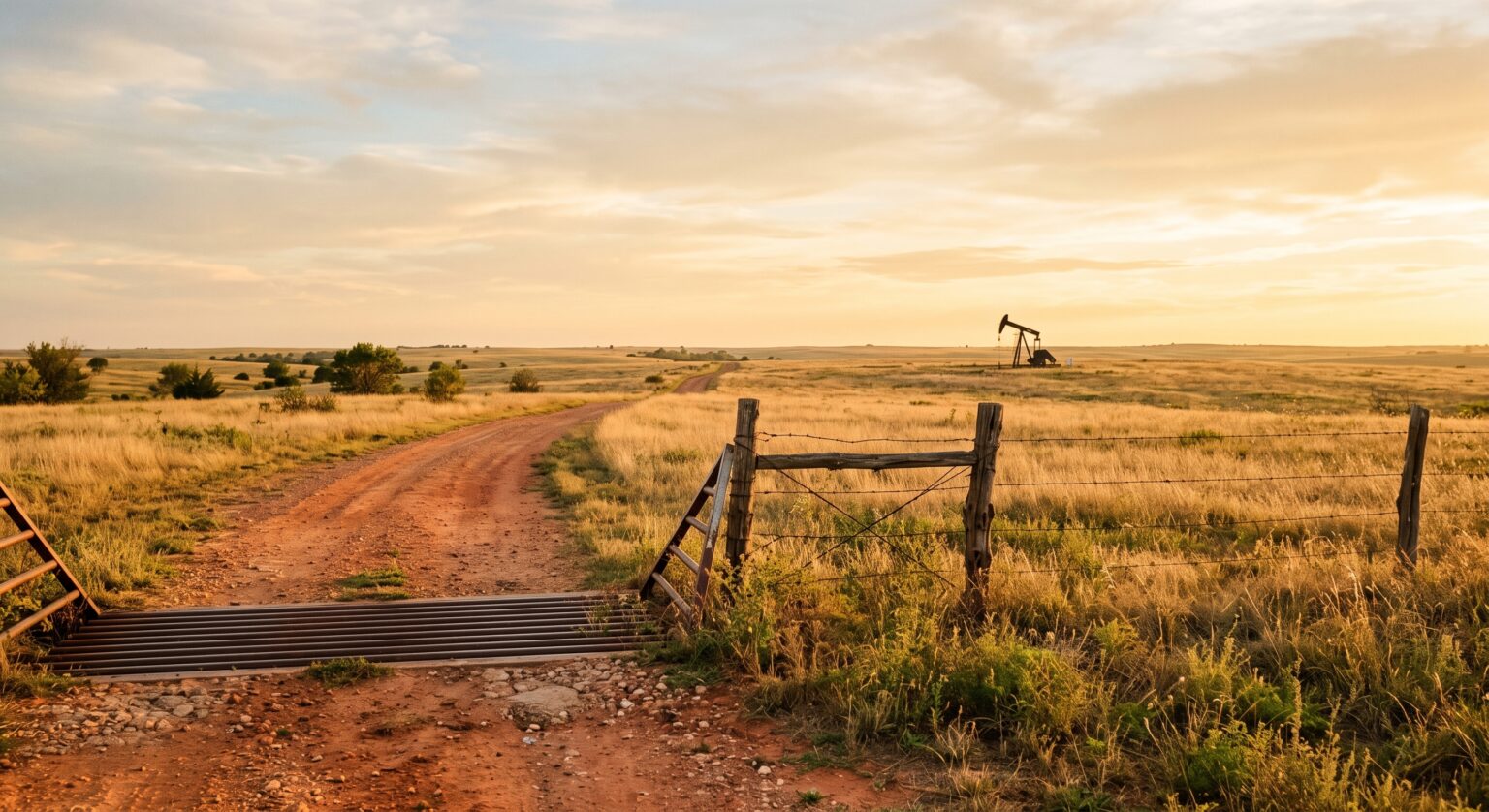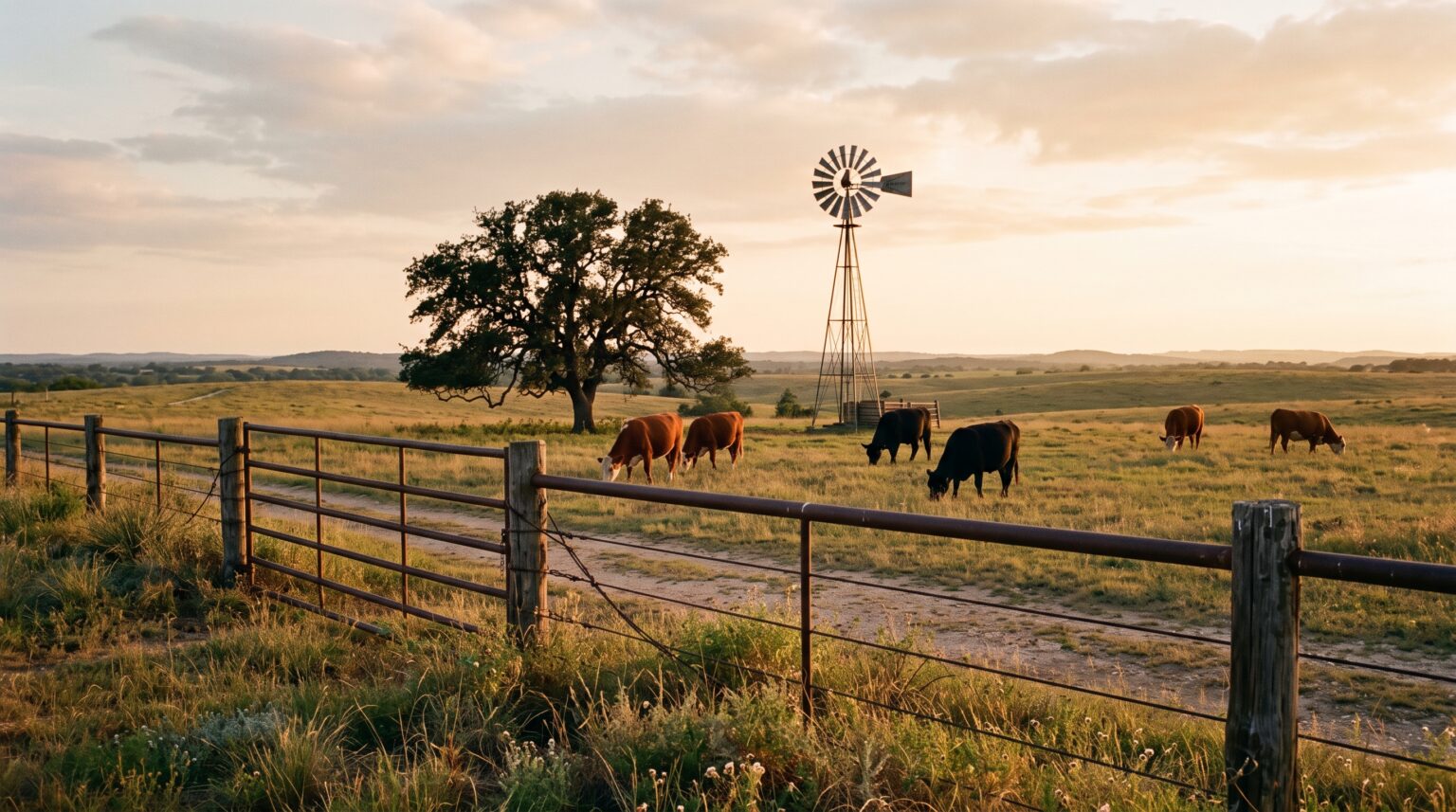
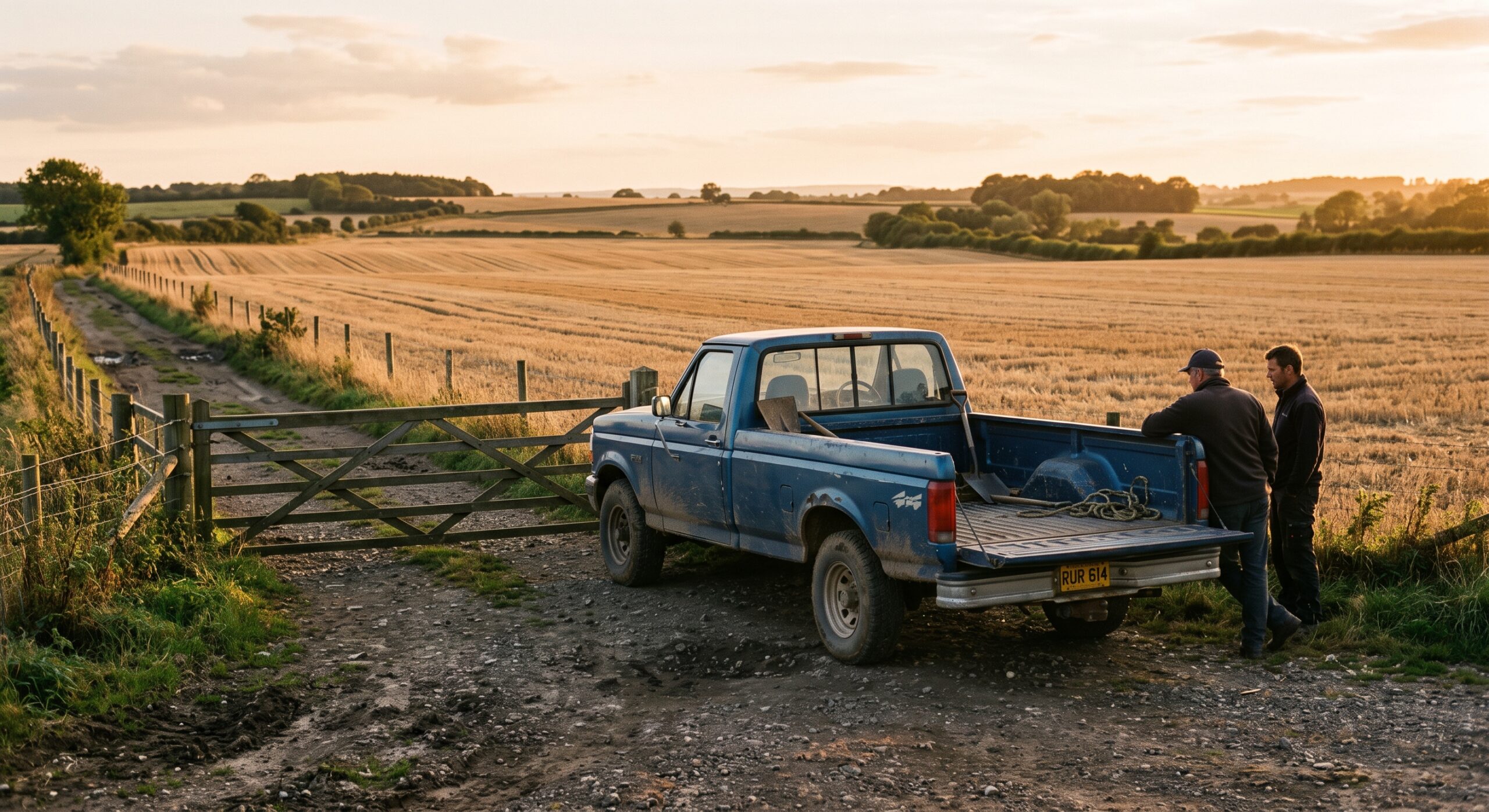
The man who farms your ground has probably never signed anything. Most don’t. He showed up one spring a long time ago, maybe to help your father, maybe after your father couldn’t, and the arrangement was settled the way such things were settled then: a price per acre, a handshake at the tailgate, and a check that has come every year since, about the time the harvest was in. He waves when he passes the mailbox. He fixed the water gap after the flood without being asked. And now that you’ve begun thinking about selling the land, he’s the first person you think about and the last person you want to tell.
We hear that from landowners about as often as anything, so let us talk it through plainly.
Start with what the handshake actually is. A farm lease doesn’t have to be written to be real. In most of the country, a handshake rental that runs season to season is treated as a lease from year to year, and it carries on until somebody ends it properly. The rules for ending one (how much notice, in what form, and by what date) are set state by state, and some states pin them to a particular day in the fall or winter so a tenant isn’t left with a planted field and no tomorrow. A written lease is simpler in one sense. It says what it says, and whatever it says about a sale is what governs.
The second thing most owners don’t know is that selling the land doesn’t, by itself, end the lease. The buyer generally steps into your shoes, tenant and all, until the lease runs out or is ended the way the law provides. That surprises people, and it’s actually good news, because it means the sale and the tenant’s season don’t have to collide. It means there are choices.
Then there’s the crop. A field with wheat in it in March, or beans standing in September, isn’t a blank page. The man who planted it has a claim to that harvest that the law has respected for a very long time, and so does every decent buyer. The cleanest sales we see handle it one of two ways. Either the sale is timed around the crop year (an agreement in the summer, a closing after harvest, the field handed over clean when the combine leaves), or the tenant’s lease is bought out fairly before closing, so he’s paid for the season he’s giving up and nobody is left guessing. Either way, the crop gets settled before the deed changes hands, not after. Timing and a fair buyout are an owner’s best tools here, and both are better planned early than improvised late.
Now the part that isn’t law at all: how you tell him.

Tell him early, and tell him yourself. Not through a letter, and not by letting him hear it at the co-op. A man who has farmed your ground for twenty years has earned a visit, and most tenants take the news better than owners fear. They know how these things go, and many of them saw it coming before you did. What stings is being the last to know. What honors the years is standing at the same tailgate where the deal was first struck and saying it straight: we’re thinking about selling, here’s roughly when, and we want to do right by your season.
Then ask him what he’d want. Sometimes the tenant would like to buy a piece himself and simply never said so. Sometimes he’s winding down and relieved. Sometimes he’d like to keep farming it under the new owner, and that’s a fair question to put to any buyer you talk with. None of those conversations can happen if the first he hears of it is a surveyor’s stake at the fence line.
A word on paperwork, because this is where good intentions go sideways. Whatever the arrangement, get it written down before you sell: who rents what, on what terms, through what date, and what happens to the crop in the ground. If it’s always been a handshake, a one-page summary signed by both of you protects him as much as it protects you. And because notice rules differ by state and by the kind of lease, a short visit with your attorney before anyone gives notice is money well spent. We’d say that even if we weren’t in the business.
None of this means you have to sell. Plenty of owners look at a good tenant, a steady check, and a field that stays farmed, and decide the arrangement is worth keeping. That’s a sound decision, and we’d never talk anyone out of it. The only thing we’d urge is that it be a decision, made with the whole picture in view, rather than a habit carried forward because the conversation felt too hard to start.
Harmony Hills Ventures is a professional land development company. We buy rural land directly from owners at fair market value for large parcels, and we close when we say we will. When there’s a tenant on the place, we ask about him on the first call, and we see that his season is settled before closing, whether that means planning around a harvest or a fair buyout of the lease. With every property we develop, we give a portion back to our veterans, our houses of worship, and the safety of our communities.
If you’ve got rented ground and a question you’ve been carrying, give us a call at 1-888-391-0032. No pressure, no obligation. Just a straight conversation about what you’ve got and what it might be worth. Bring your tenant’s questions too. We’ve heard most of them.
A few questions folks ask
Does selling farmland end the tenant’s lease?
Generally, no. The buyer usually takes the land subject to the existing lease until it expires or is properly ended under its terms or state law.
How much notice does a farm tenant get?
It depends on the state and the lease. A written lease governs its own terms. For year-to-year handshake leases, state law sets the notice rules, and some states require notice by a specific date. Confirm with an attorney before giving notice.
Can I sell farmland with a crop in the ground?
Yes. The tenant generally keeps the right to harvest what he planted, so most sales are timed to close after harvest, or the crop is addressed in writing in the sale agreement.
Should I tell my tenant before I sell?
Early and in person. Tenants who hear it first from the owner tend to take it well, and some turn out to be interested in buying.
A note on this post
This post is general information only and is not legal advice. Harmony Hills Ventures is not a law firm, and reading this post does not create an attorney-client relationship. Farm lease, notice, and crop rights differ by state and by the terms of each lease, and laws change. Before giving notice to a tenant, signing a sale agreement, or making any decision about a lease, consult an attorney licensed in your state.