Author name: Harmony Hills Ventures

Selling Your Land

Selling Land in Oklahoma When the Minerals Were Sold Long Ago

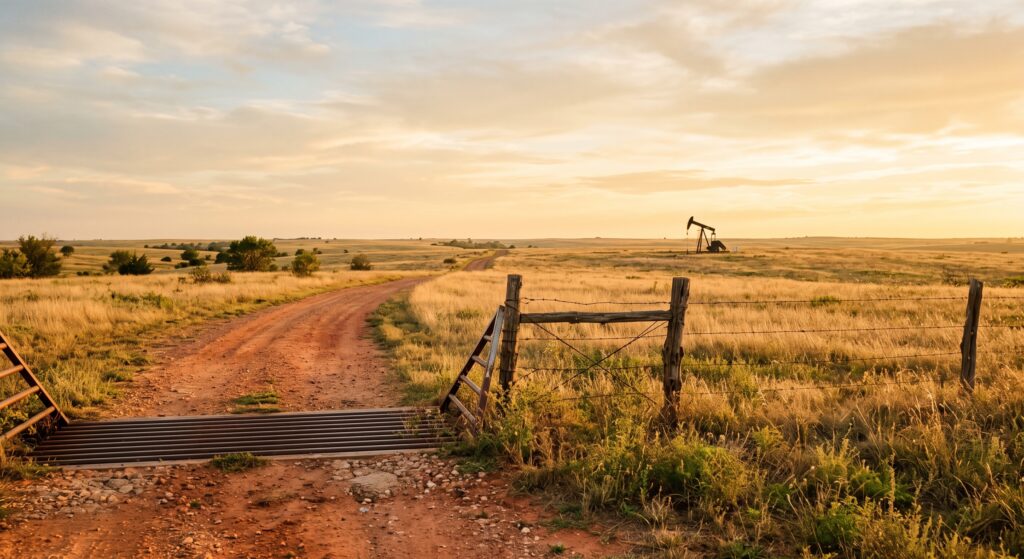
Somewhere in a shoebox in a good many Oklahoma houses there’s a stack of small checks, or the memory of them. A royalty check from a well nobody in the family ever saw drilled, arriving a few times a year for a few dollars, made out to a grandmother who has been gone for a while now. Or there’s no check at all, only a line on an old deed that nobody understood: reserving unto the grantor all oil, gas, and other minerals. That line is the reason so many Oklahoma landowners, when they sit down to think about selling, find themselves asking a question their neighbors in other states rarely ask. Just what is it, exactly, that we own?
Homestead & Hobby Farm

Poisonous Pasture Plants for Livestock: What’s Worth Killing and What Isn’t

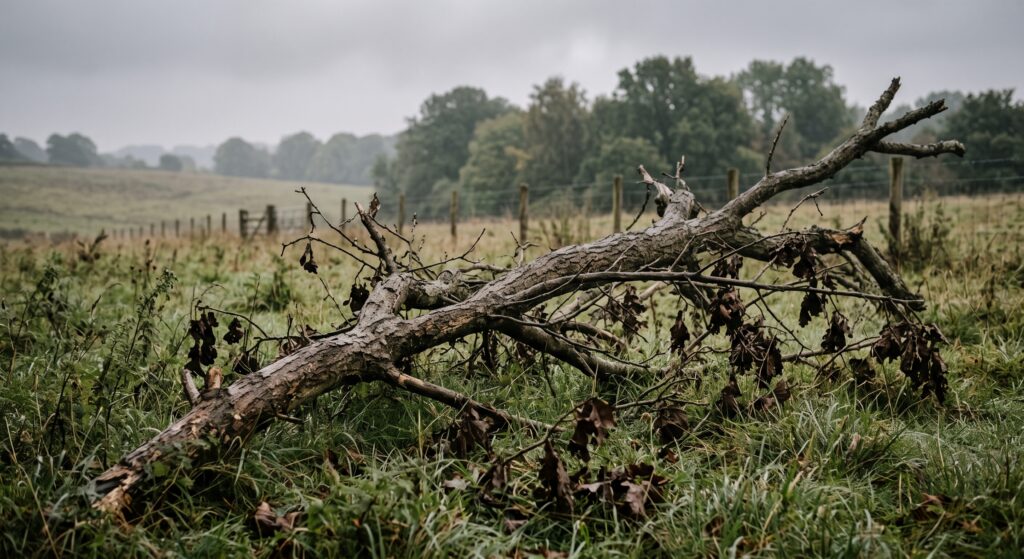
The storm came through around eleven at night, and by seven the next morning, a cow lay dead in the north pasture, forty feet from a black cherry limb that hadn’t been there the day before. She’d been sound at evening feed with no sign of illness, scour, or bloat, but the fallen branch had been stripped bare on the side she could reach. While most plant poisonings take weeks to claim a herd, wilted black cherry leaves can kill in under an hour.

Selling Your Land

Selling Land With an Ag Valuation in Texas: What Happens to the Tax Break When the Place Changes Hands

There is a letter from the appraisal district that a good many Texas landowners have kept in a drawer for thirty years without reading it twice. It came the year somebody, maybe a father, maybe the owner himself, filled out the application for agricultural valuation, the one most folks call the ag exemption, and it’s the reason the tax bill on a few hundred acres of pasture has stayed modest ever since. Nobody thinks much about it while the cattle are on the grass. It comes up the day the family starts talking about selling, usually as a question somebody asks across the room: what happens to the ag?
It’s a fair question, and the answer is plainer than most people fear.

Homestead & Hobby Farm

What to Feed Sheep, and the One Mineral That Kills Them

Two sheep flocks can start in exactly the same place and still end up very differently. Same county, same feed store, same number of ewes, and the same questions from owners learning as they go. The difference may not show up in the first week or even the first year, because when something is wrong with sheep, it rarely announces itself. By the time you know there was a mistake, you may already be counting what you lost.

Selling Your Land

Selling Farmland With a Tenant on It: The Handshake, the Crop, and the Conversation

The man who farms your ground has probably never signed anything. Most don’t. He showed up one spring a long time ago, maybe to help your father, maybe after your father couldn’t, and the arrangement was settled the way such things were settled then: a price per acre, a handshake at the tailgate, and a check that has come every year since, about the time the harvest was in. He waves when he passes the mailbox. He fixed the water gap after the flood without being asked. And now that you’ve begun thinking about selling the land, he’s the first person you think about and the last person you want to tell.

Homestead & Hobby Farm

Is Milkweed Poisonous to Livestock? It Depends on Where It’s Growing

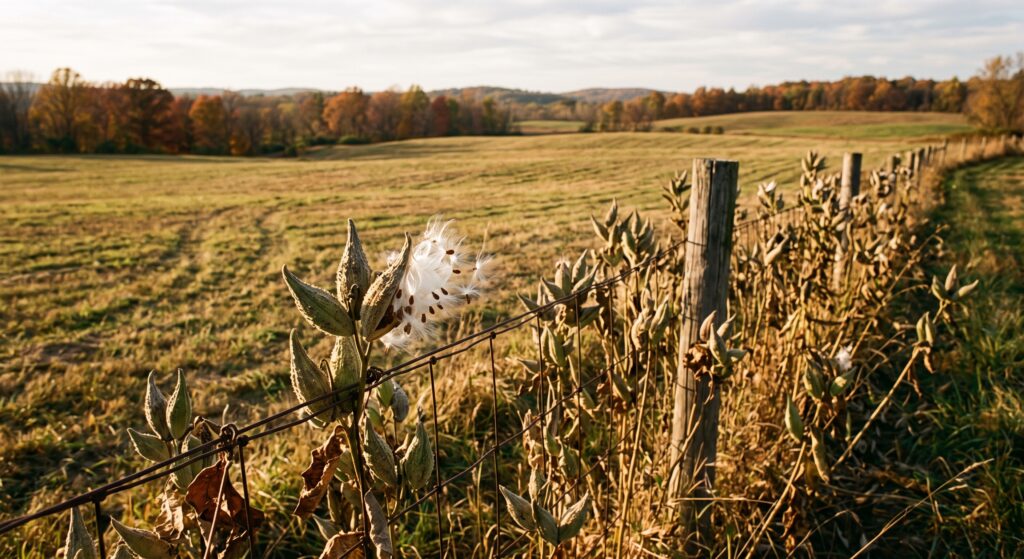
The corner had gone uncut for eleven years, and in July of a dry summer it got cut. A low back corner along the fence line, three acres of it, wet most springs and rough enough that the mower had always found a reason to turn before it got there. He never asked whether milkweed is poisonous to livestock. He’d have told you he had no cause to. The question got asked for him in January, by four bales sitting at the end of a row.

Homestead & Hobby Farm

How to Train a Dog Around Livestock When Chickens Are the Hard Part

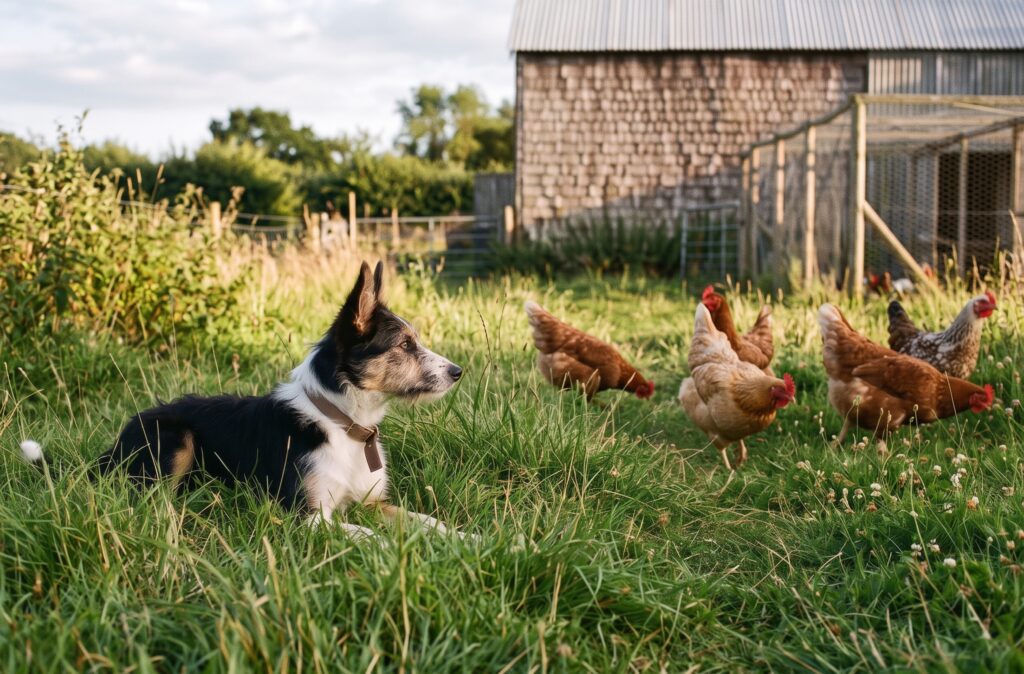
The question came up at a feed store counter, the way most good questions do. A young fellow had forty acres with the coop set close to the house, twenty hens, and a shepherd mix about a year old who had started watching the birds a little too carefully. He wanted to know how to train a dog around livestock before something happened. The man behind him in line had been running cattle dogs since before the young fellow was born, and he answered with three questions of his own. What breed. How old. And had he caught one yet.

Homestead & Hobby Farm

Livestock Guardian Dogs: Why the First Two Years Are the Hard Part

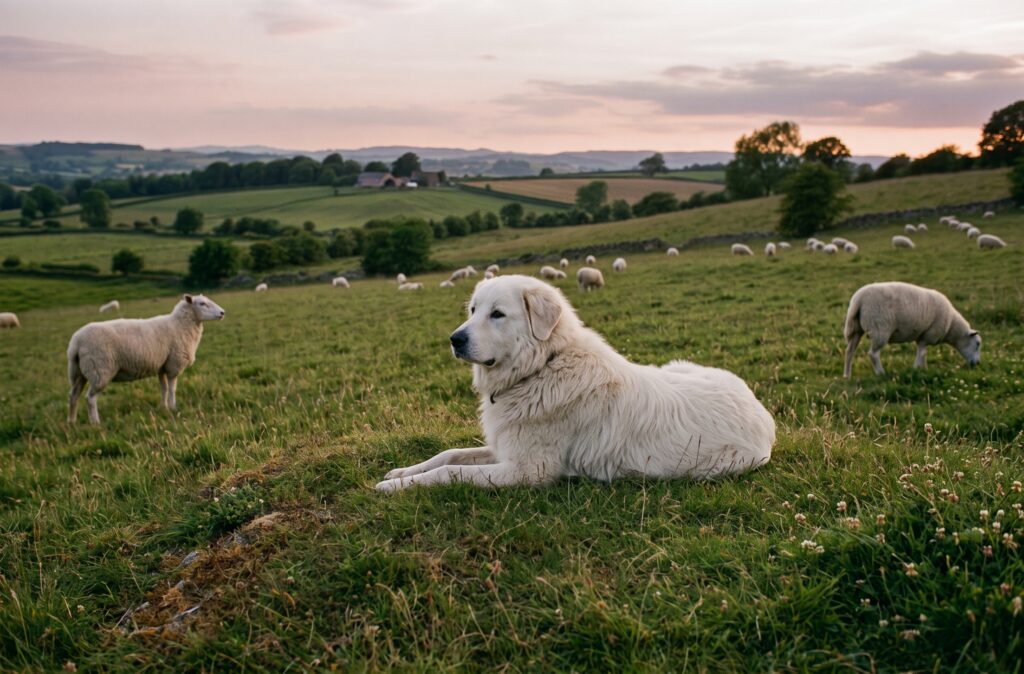
The dog was carrying a live newborn lamb across the pasture in his mouth when they caught him at it. Fourteen months old. A hundred and ten pounds of white Great Pyrenees they had fed and fenced and waited on since March of the year before. The lamb was set down, wet and bawling and unhurt, and the dog was shut in a pen, and that evening the family sat on the porch and had the conversation that gets had on a few thousand American places every year at right about that same age. Whether he had to go. The reason that conversation matters is that most of the time the answer is no, and a good many families get it wrong, and the dog they give away or shoot was eight months short of being the best help they ever had.

Scroll to Top