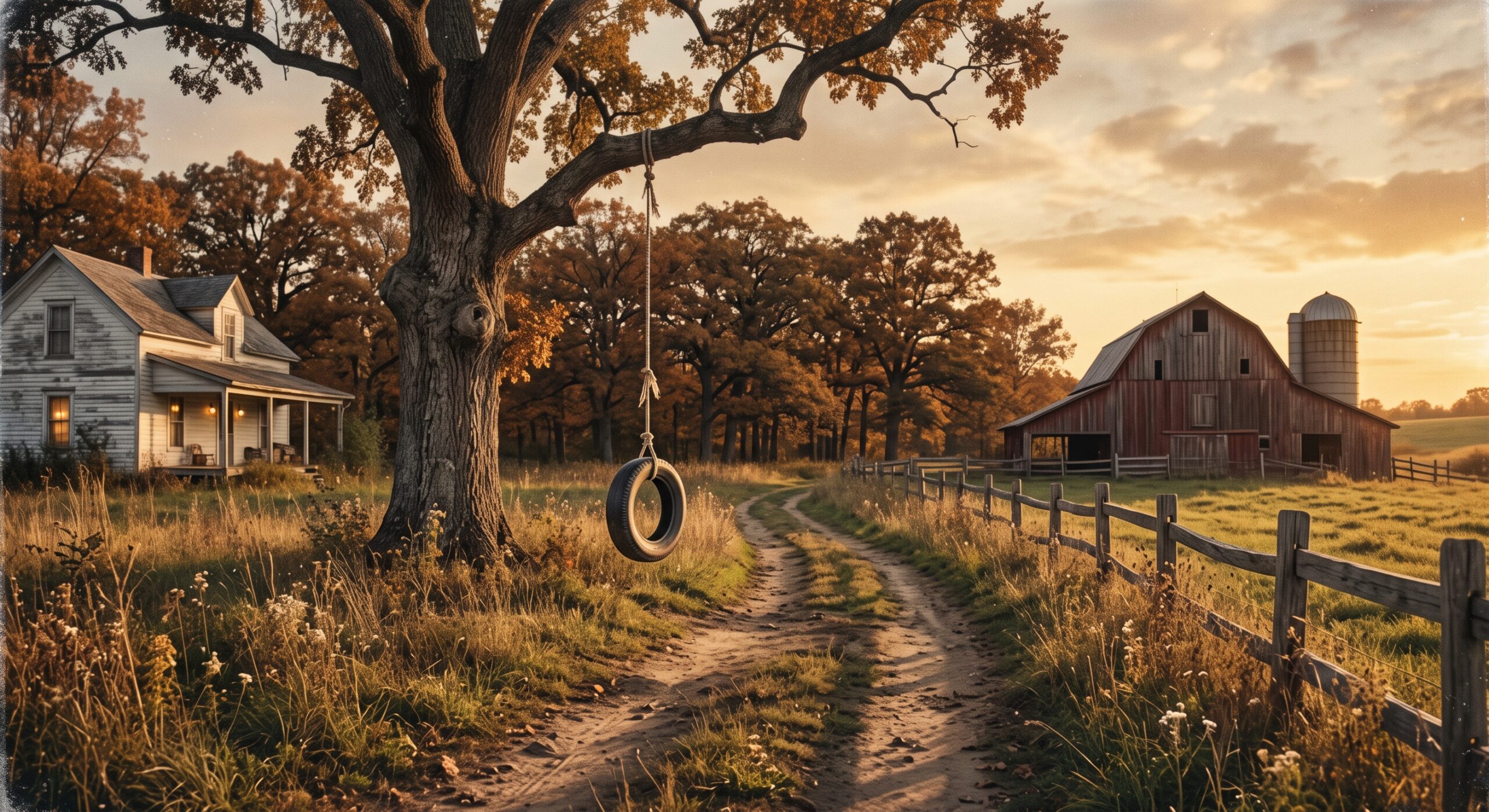
There is a peculiar thing about land, and anyone who has ever owned a piece of it knows it well, though few ever say it out loud. Land remembers.
It remembers the fence your grandfather set by hand, one post at a time, in a summer nobody alive can quite recall anymore. It remembers where the garden went, year after year, in that low spot that caught the morning sun. It remembers the path worn smooth between the house and the barn, walked so many times by so many feet that the grass gave up growing there altogether. A man can leave a piece of land for thirty years, come back, and find his own boyhood waiting for him in the shape of the ground.
We have been told, for a generation or better, that this feeling is old-fashioned. That land is just an asset now, a line on a statement, a thing to be traded like any other. The people who tell us this generally live in places where they cannot see the stars at night, and it may be that they simply do not know better. Because the families who live on land, who work it and tend it and bury their dogs and their differences in it, understand something the spreadsheet never will: a piece of ground is the one possession that holds a family’s story and gives it back.
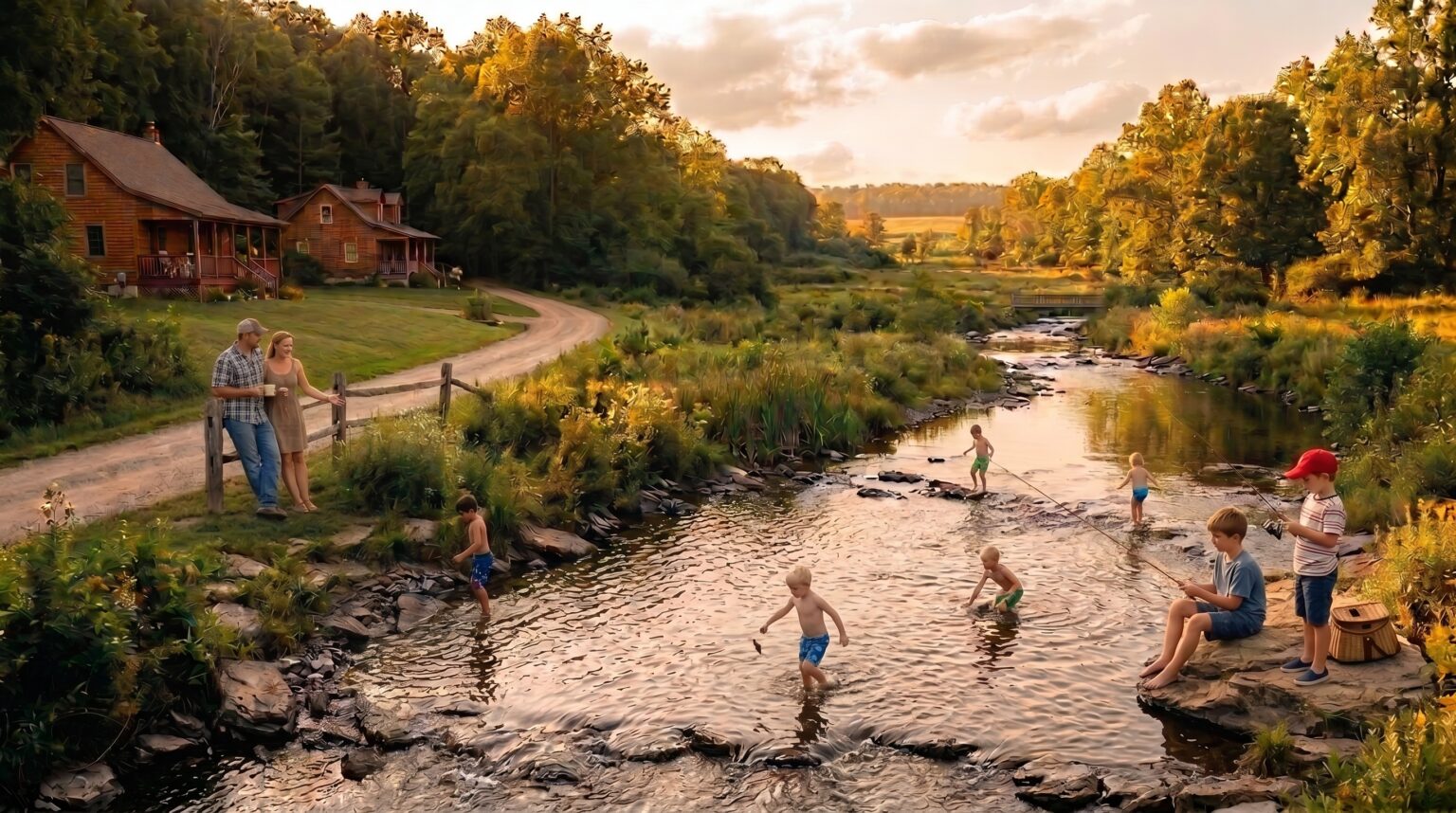
Consider what happens on a few acres over the course of an ordinary life. Children learn to walk on it, and then to work on it. A swing goes up in the oak, and comes down years later when the rope finally gives, and nobody has the heart to throw the board away. Holidays fill the yard with cousins. Hard years are weathered there too, and the land absorbs those the same as the good ones, without complaint. By the time the third generation comes along, the place is no longer just property. It is the family’s memory, written in soil and timber, readable by anyone who belongs to it.
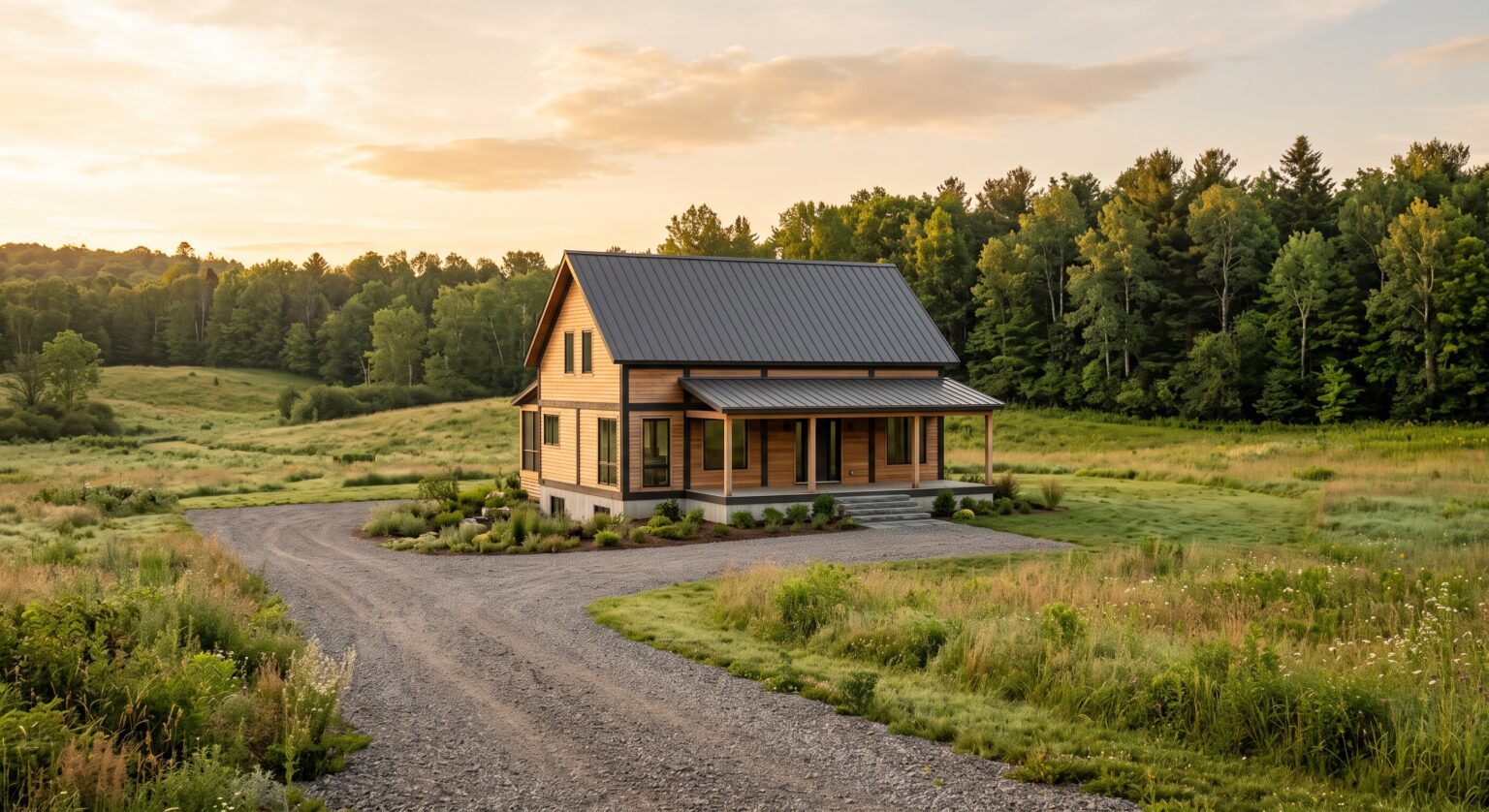
This is why folks are coming back to the land, and they are coming back, in numbers that would surprise you. Families who have spent their whole lives in town are looking at a few acres in the country and seeing what their grandparents saw: a place where a family can put down something permanent in a world that seems bent on making everything temporary. Room for children to roam. Quiet enough to hear yourself think, and to hear the ones you love. Neighbors who wave because they mean it. The plain, durable satisfaction of stepping out your own back door onto your own ground.
It asks something of you, of course. Land always has. There is mowing and mending and tending, and the country does not hand out its rewards to the idle. But that is precisely the point, and the families who make the move come to understand it quickly. The effort is not the price of the life. The effort is the life. What you tend, you come to love, and what you love, you remember. The land simply returns the favor.
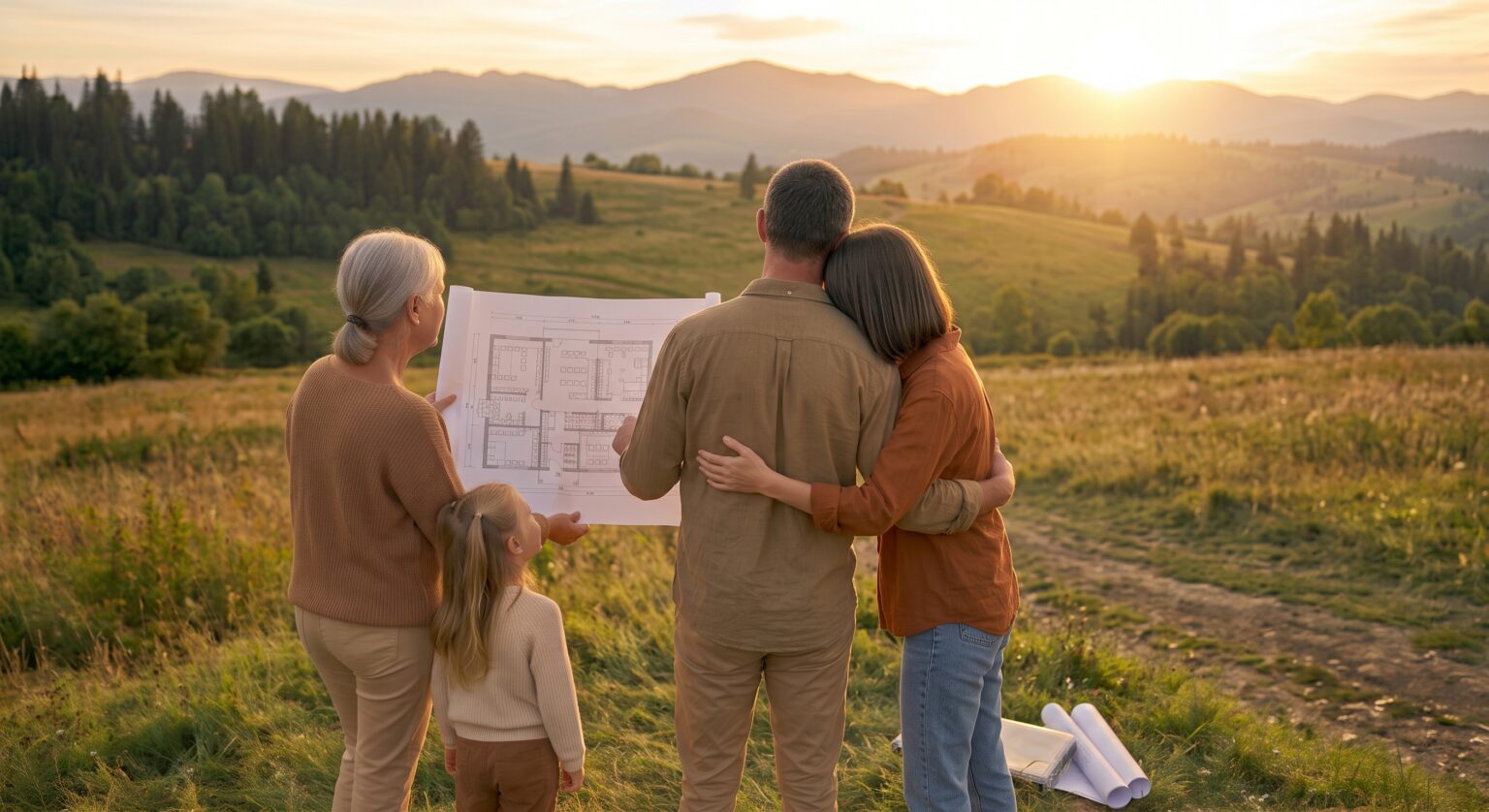
We think about this often in our work, because it is the quiet truth underneath everything we do. Every parcel that passes through our hands is headed somewhere: to a family that will make its own memories on it, set its own fence posts, wear its own paths in the grass. Somewhere down the road, a child not yet born will know every inch of that ground by heart, and it will know them.
At Harmony Hills Ventures, we turn rural land into places where families can plant something lasting and stay a while. The land is patient. It has been waiting for them all along. That’s the whole idea.