Picture a couple in their early thirties standing on eight acres they closed on last spring. There’s a good well site up the slope, a spot for the garden where the morning sun lands first, and a view they haven’t gotten tired of yet. What they don’t have is a house. They’ve priced a stick-built place with two contractors, and both bids came back with a number and a shrug, because nobody can promise what lumber, labor, or the permit calendar will look like by next summer.
That couple isn’t real. But there are thousands like them across rural America right now, and two developments this month bear on their situation. One came out of Washington. The other has been quietly rolling off factory floors for about seven years.
What USDA proposed, and what it didn’t
On September 1, USDA Rural Development announced it’s proposing to rescind a regulation known as 7 CFR Part 1924. The proposed rule itself was published in the Federal Register on August 19, and the public has until October 19 to comment on it.
Part 1924 dates to 1987 and the old Farmers Home Administration. It laid federal requirements on top of state and local building codes for homes financed through USDA programs: planning specifications, contracting procedures, inspection routines, warranty paperwork, and its own energy and thermal standards. USDA’s position is that state and local governments already enforce codes meant to protect health and safety, and that keeping a second federal process on top of them adds cost and delay without adding much protection.
It’s worth being plain about what this change would and wouldn’t do. It’s a proposal, not a final rule. If it takes effect, state and local codes still apply, and USDA’s underwriting standards for the loans themselves don’t go away. USDA hasn’t claimed a rural home will cost a specific dollar figure less. The department’s argument is about friction: fewer duplicate steps between the loan approval and the day a family moves in.
For anyone watching the country housing market, the reason this matters comes down to scale. USDA Rural Development’s single-family housing programs were the largest share of the agency’s funding for the better part of two decades. When a program that size loosens its paperwork, lenders and builders in small counties notice.
The house that shows up on a truck and appraises like it didn’t
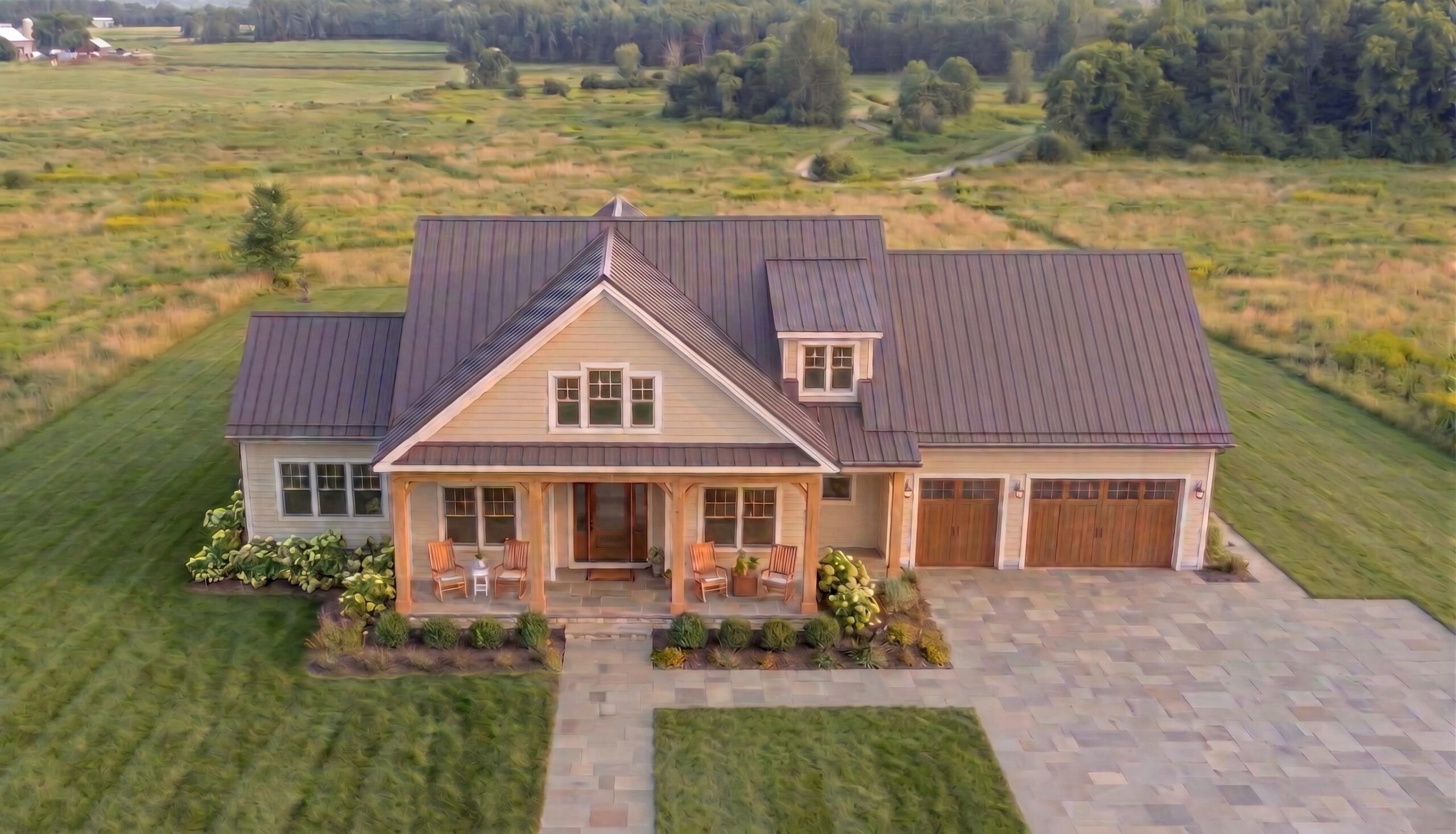
Here’s the second development, and it’s the one our couple on the eight acres might find more useful in the near term.
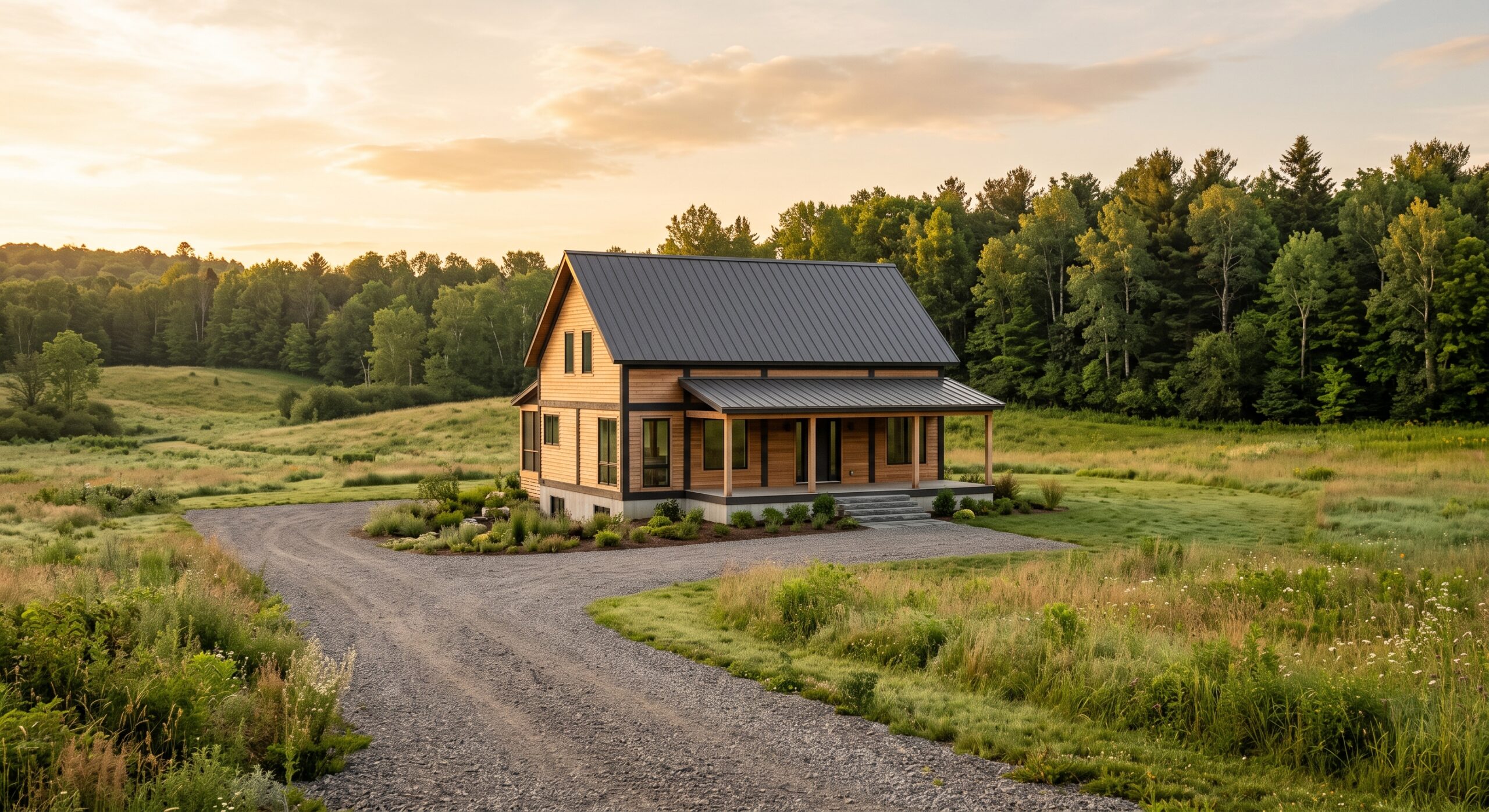
Since 2019, the manufactured housing industry has been building a category of home it calls CrossMod. The homes are built in a factory to the federal HUD construction code, same as any manufactured home. What separates them is everything after that. A CrossMod goes onto a permanent foundation on land the owner holds title to. It carries a pitched roof, a covered porch or a garage, drywall interiors, and energy features closer to what you’d find in a new site-built home than in the single-wides most folks picture when they hear “manufactured.”
The part that changes the math is financing. Fannie Mae and Freddie Mac each created a program for these homes, MH Advantage and CHOICEHome respectively, that lets a qualifying CrossMod be financed with a conventional 30-year mortgage on terms comparable to a site-built house. The appraisal rules changed too. Under those programs, an appraiser compares the home mainly against other CrossMods and site-built houses, not against older manufactured units, which is a large part of why these homes have held value differently than their predecessors.
USDA’s own guaranteed loan program can finance a new manufactured home on a permanent foundation in an eligible rural area, and the department has written publicly about lenders using that program to place CrossMod homes after a disaster wiped out conventional housing stock. Put the two stories side by side and you get a picture of where rural homebuilding is heading: fewer federal hoops on the front end, and a wider menu of what counts as a real house on the back end.
Questions People Ask
Is the USDA rule change already in effect?
No. It’s a proposed rescission published August 19, 2026, with public comment open through October 19, 2026. A final rule would come sometime after that, and the timing isn’t set.
Does a CrossMod home count as real property?
When it’s placed on a permanent foundation on land the owner holds title to and titled accordingly under state law, yes. That’s the basis for the conventional mortgage treatment. The specifics vary by state, so a lender or closing attorney is the right person to confirm the process where you live.
Will a bank finance a CrossMod on rural land with no house on it yet?
Several lenders offer construction-to-permanent loans for manufactured homes, and USDA’s guaranteed program has a version of that for eligible rural areas. Not every lender participates, so it’s worth asking early which programs a given bank actually writes.
Can I put a CrossMod anywhere I own land?
Most rural counties permit them the same as a site-built home. Some subdivisions and townships have covenants or ordinances restricting off-site-built housing. Check the deed restrictions and the local zoning before you order a home.
Who sells CrossMod homes?
Harmony Hills Ventures isn’t endorsing any builder, but our research suggests a few names carry the larger share of the market. Clayton Homes (claytonhomes.com/crossmod) and Champion Homes (championhomes.com) are the two largest factory builders in the category. Cavco Industries, which builds under the Cavco, Fleetwood, and Palm Harbor names, is the third. Freddie Mac keeps a list of manufacturers whose homes qualify for its CHOICEHome program, and the Manufactured Housing Institute has a CrossMod overview that explains what the label requires. Most of these builders sell through independent retail lots, so the closest dealer may carry more than one brand.
This post is general information about rural housing and is not legal, financial, or lending advice. Loan programs, eligibility, and building requirements vary by state, county, and lender, and change over time. Confirm current terms with a licensed lender and your local building authority.