Homestead & Hobby Farm

How to Train a Dog Around Livestock When Chickens Are the Hard Part

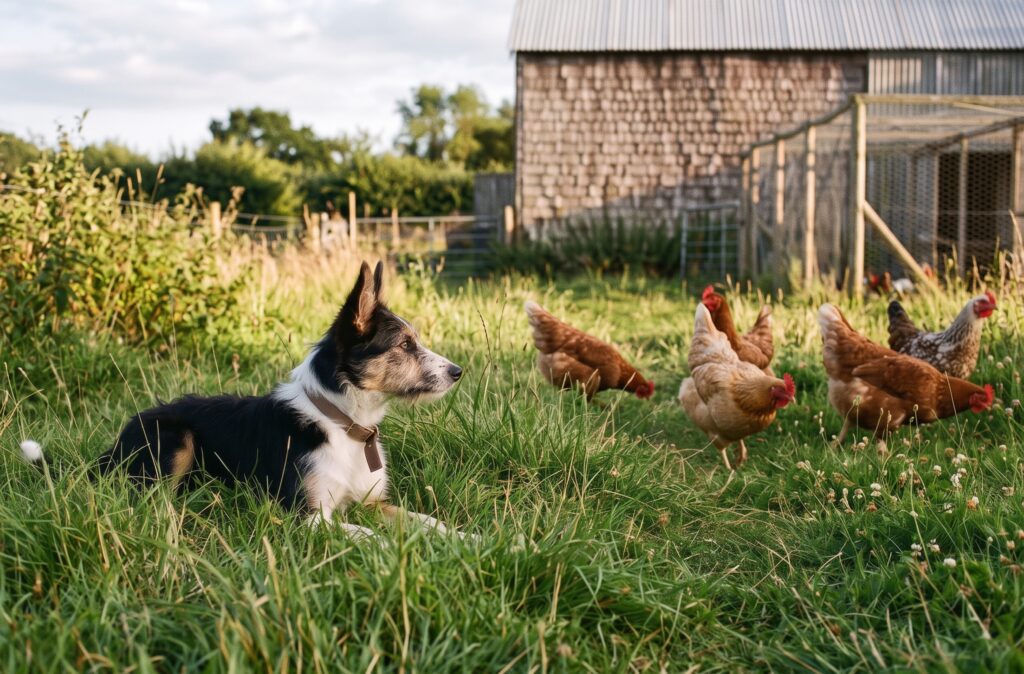
The question came up at a feed store counter, the way most good questions do. A young fellow had forty acres with the coop set close to the house, twenty hens, and a shepherd mix about a year old who had started watching the birds a little too carefully. He wanted to know how to train a dog around livestock before something happened. The man behind him in line had been running cattle dogs since before the young fellow was born, and he answered with three questions of his own. What breed. How old. And had he caught one yet.

Homestead & Hobby Farm

Livestock Guardian Dogs: Why the First Two Years Are the Hard Part

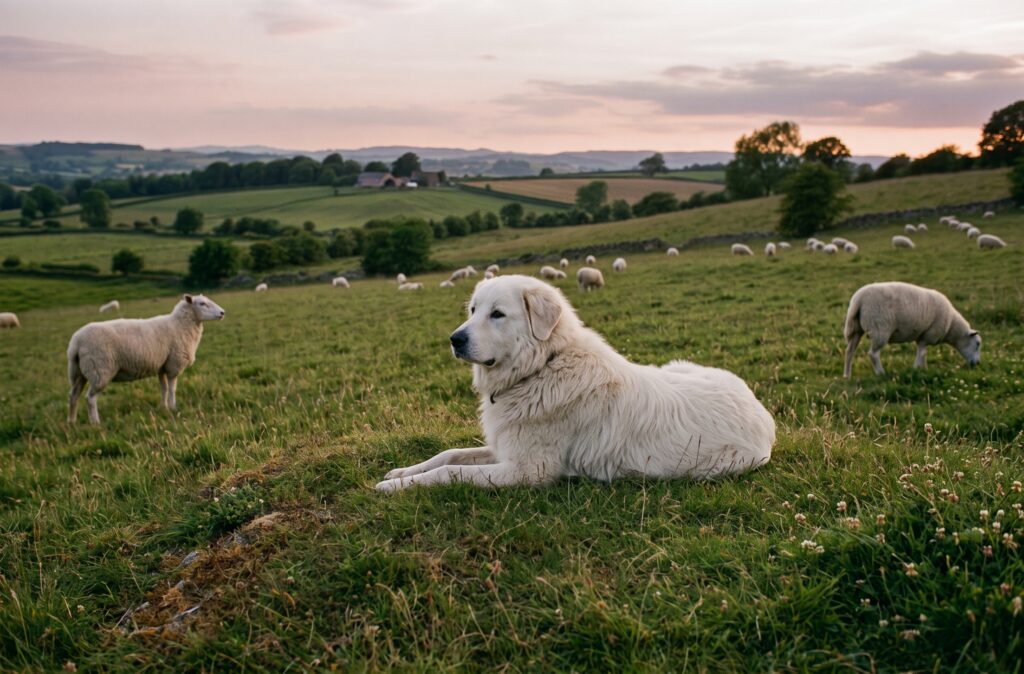
The dog was carrying a live newborn lamb across the pasture in his mouth when they caught him at it. Fourteen months old. A hundred and ten pounds of white Great Pyrenees they had fed and fenced and waited on since March of the year before. The lamb was set down, wet and bawling and unhurt, and the dog was shut in a pen, and that evening the family sat on the porch and had the conversation that gets had on a few thousand American places every year at right about that same age. Whether he had to go. The reason that conversation matters is that most of the time the answer is no, and a good many families get it wrong, and the dog they give away or shoot was eight months short of being the best help they ever had.

Country Living

What Eighty Acres Becomes: A Vision of the Land After Letting Go

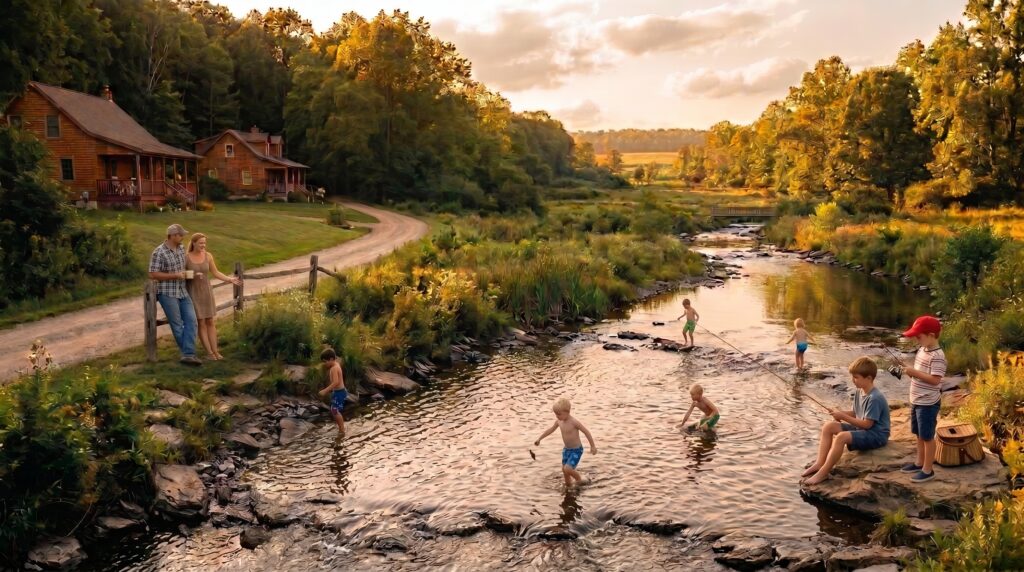
When a landowner thinks about selling, the picture in their mind usually stops at the closing table. We would like to replace that picture with a truer one. Because the closing table is not where the story ends. It is where it turns. And having watched what becomes of land after a family lets it go into the right hands, we can tell you: the after is the best chapter, and the seller wrote it. So come with us a few years down the road, to a picture of what we work toward on every place entrusted to us. Call it eighty acres, with one home and one family’s lifetime on it. Here is what it becomes.

Country Living

A Thinner Rulebook and a New Kind of House Out Where the Pavement Ends

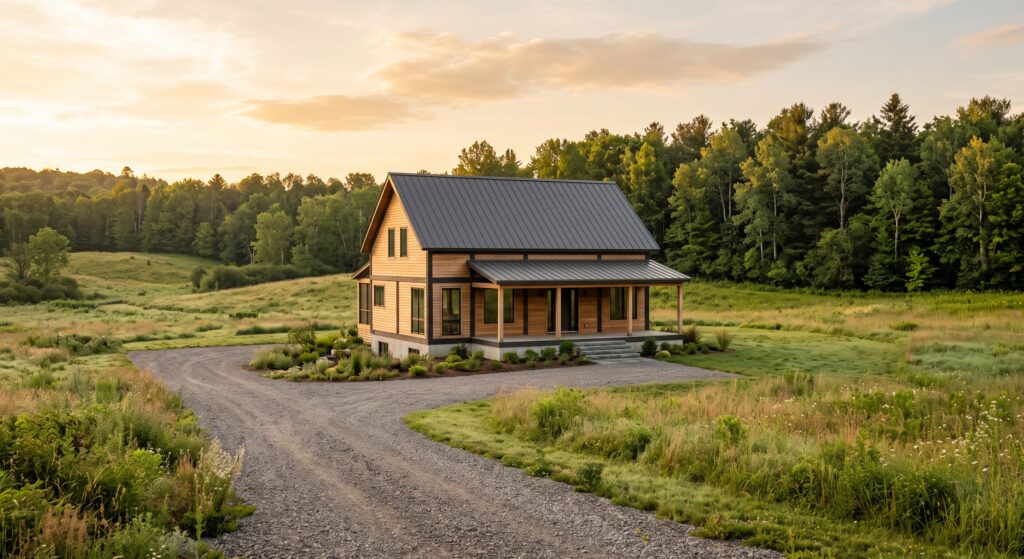
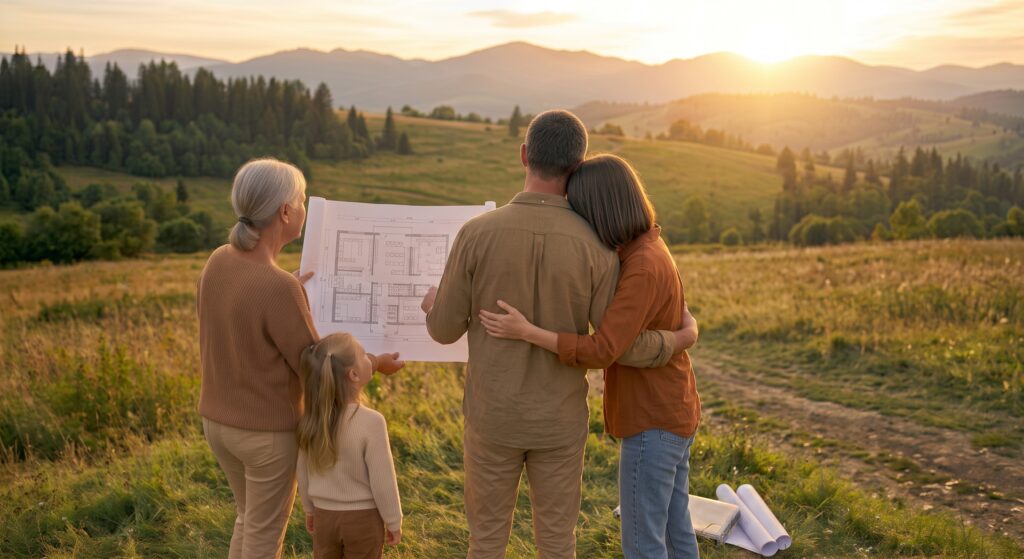
Picture a couple in their early thirties standing on eight acres they closed on last spring. There’s a good well site up the slope, a spot for the garden where the morning sun lands first, and a view they haven’t gotten tired of yet. What they don’t have is a house. They’ve priced a stick-built place with two contractors, and both bids came back with a number and a shrug, because nobody can promise what lumber, labor, or the permit calendar will look like by next summer. That couple isn’t real. But there are thousands like them across rural America right now, and two developments this month bear on their situation. One came out of Washington. The other has been quietly rolling off factory floors for about seven years.

Homestead & Hobby Farm

Feather Loss in Chickens: How to Tell If It’s Molting or Something Else

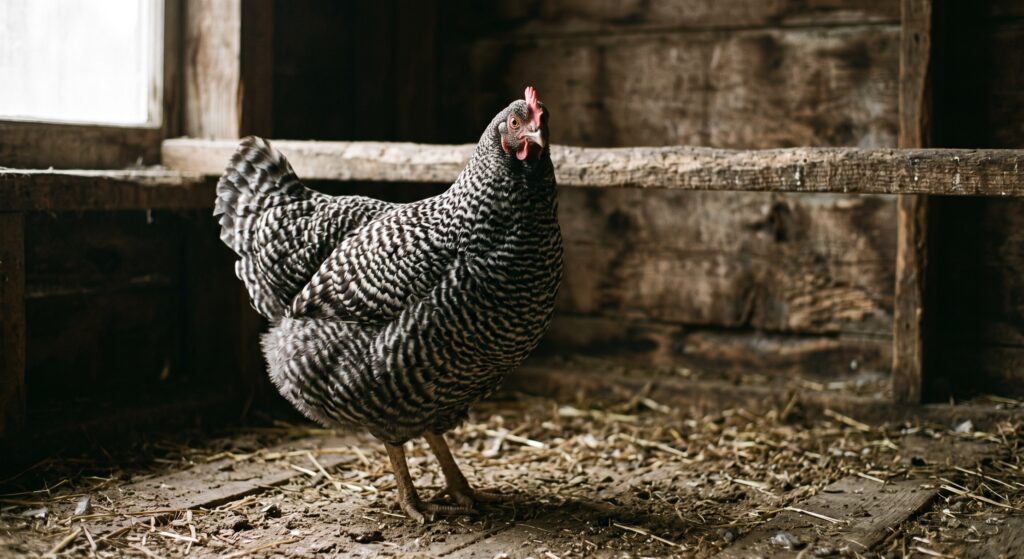
The bare patch showed up on the Barred Rock in the second week of September, and the man who found it did what nearly everybody does. He said molt, and he went back to the house.
It was a reasonable thing to say. September is the season for it. There were feathers scattered around the run and half the county was seeing the same in their own coops. Feather loss in chickens is common enough in the fall that the word molt gets applied to all of it without much examination, and most of the time nobody’s the worse for it. This time it cost him until November.

Homestead & Hobby Farm

How to Help Chickens Recover From Heat Stress After a Hot Spell

The heat came the second week of July and it didn’t leave.
Not the kind that breaks by suppertime. The kind that settles over a county and stays, until the ground quits holding any cool at all and the nights stop offering much relief. By the fourth day the flock had gone quiet in a way that had nothing to do with contentment. And here’s the thing most folks have backwards: the work to help chickens recover from heat stress doesn’t start when the weather turns. It starts the morning after, and it runs about six weeks.
Here’s how that stretch goes.

Homestead & Hobby Farm

What It Really Takes to Start a Hobby Farm

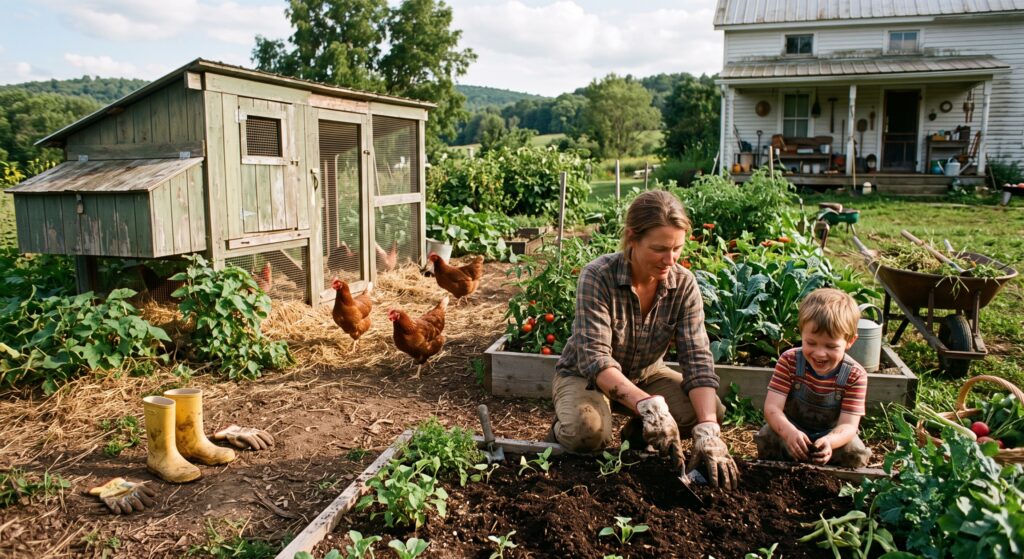
More and more families are looking at a few acres and picturing a different kind of life. Chickens in the yard. A big garden. Maybe a couple of goats. Room for the kids to run where you can actually see the stars at night. A little space between you and the neighbors. A place where weekends aren’t spent rushing from one thing to the next. It’s a dream as old as this country, and it’s more within reach than most folks think.

Scroll to Top