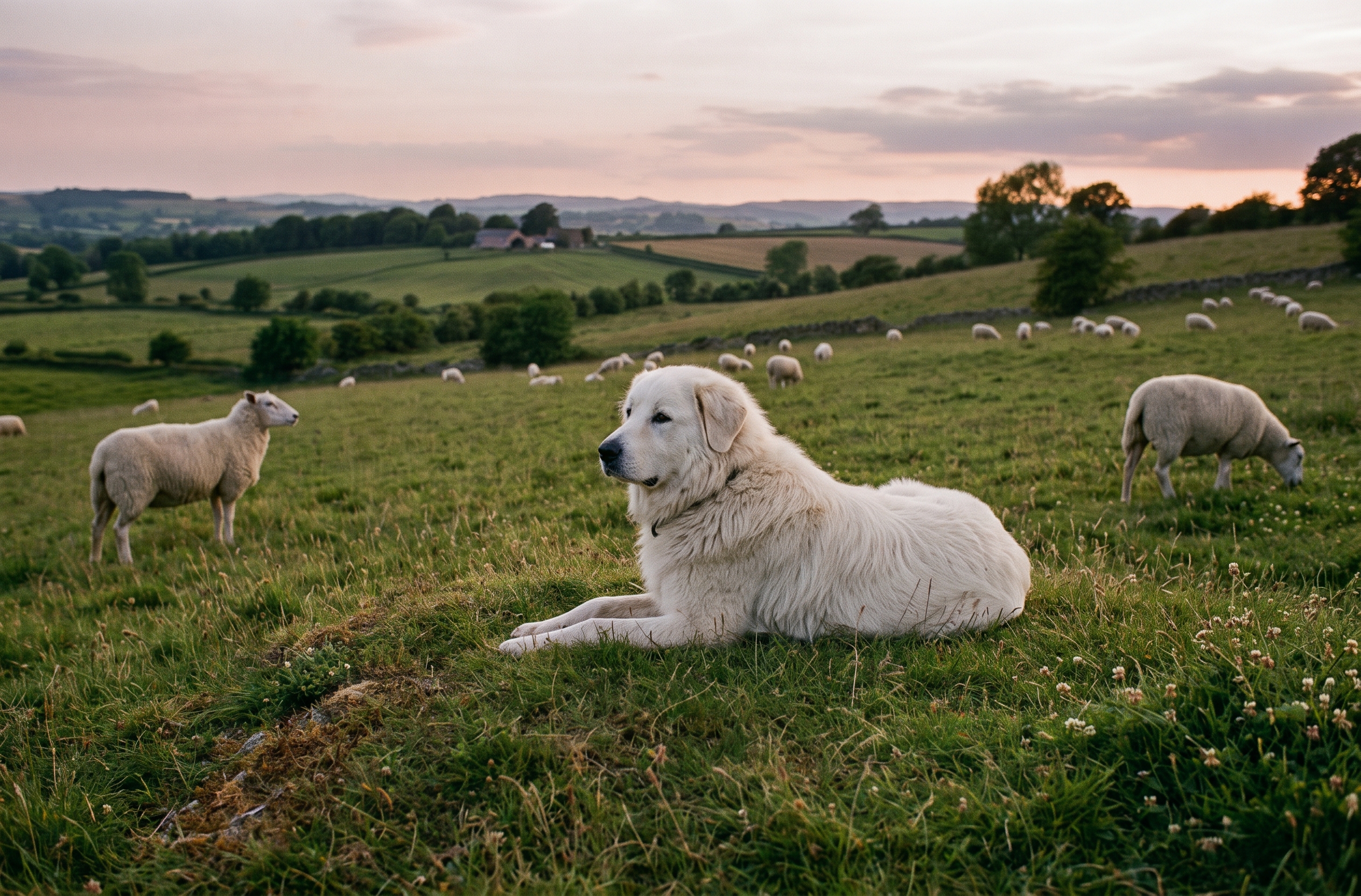
The dog was carrying a live newborn lamb across the pasture in his mouth when they caught him at it.
Fourteen months old. A hundred and ten pounds of white Great Pyrenees they had fed and fenced and waited on since March of the year before. The lamb was set down, wet and bawling and unhurt, and the dog was shut in a pen, and that evening the family sat on the porch and had the conversation that gets had on a few thousand American places every year at right about that same age.
Whether he had to go.
The reason that conversation matters is that most of the time the answer is no, and a good many families get it wrong, and the dog they give away or shoot was eight months short of being the best help they ever had.
What Was Actually Happening
The behaviors look like the start of something terrible. Chasing. Mouthing. Carrying a lamb around. Pulling wool. Holding a ewe’s kid down with a paw because it moved and moving things are interesting.
They are almost never predation.
The researchers at Texas A&M who run the only program in the country dedicated to studying these animals make the point flatly: ranchers call in convinced their livestock guardian dog has started killing, and in the great majority of cases what they’ve actually got is a rowdy teenager. The window runs eight to eighteen months. Guardian breeds mature about six months behind most working dogs, so a dog who looks entirely grown at nine months is nowhere near finished on the inside.
None of which makes it harmless. Play in a dog is rehearsal for hunting, and a lamb that runs from a young dog is a lamb teaching him to chase. Left alone, that adolescence does turn into the thing everybody feared. Corrected hard and immediately and every single time, it passes.
That’s the whole distinction, and it’s a fine one to be standing on at nine o’clock at night with a bawling lamb and a wife who wants the dog gone.
Why They Had Him In the First Place
Predators take a serious toll on small stock in this country. USDA counted better than two hundred thousand sheep and lambs lost in a recent year, close to thirty million dollars, with about half of it laid to coyotes.
There aren’t many honest answers to that. Fence helps and doesn’t solve it. Guns require a man to be awake and standing in the right pasture. A working guardian is out there every night of his life, and on the outfits where they’re used properly they earn their keep several times over.
The bill comes first, though, and it comes in a form nobody warns you about.
What the First Year Looked Like
He’d arrived at eight weeks and gone straight out to a pen with six old ewes who had seen everything and were impressed by none of it.
That part they’d done right. A livestock guardian dog isn’t raised in the house. He’s fed with the stock, corrected with the stock, and sleeps with the stock, because what you’re building isn’t obedience, it’s belonging. He has to come to understand those animals are his, and that can’t be taught from a kitchen doorway. The family kept their hands off him, which was harder on them than on him.
Then he did nothing at all for five months.
He slept in the shade. He grew, alarmingly. He followed the ewes around with no apparent purpose and lay down again, and anybody driving past would have said they’d bought themselves a very large and expensive rug.
The fence went in that summer, and it’s worth planning for early. These dogs are patrollers by nature, and a good fence gives that instinct somewhere useful to go. On forty acres it’s a real line item, and the families who budget for it in the spring are glad they did.
The first bark that meant anything came in October. Not the puppy racket he’d made all summer at falling leaves and passing trucks, but something lower and sustained, aimed at one spot along the tree line. Nothing was missing in the morning. That was the first evidence of anything happening inside him, and it came seven months in.
Five months later he had a lamb in his mouth.
The Mistake Underneath the Mistake
There’s a second error that costs people more than the first one, and it happens at the point of purchase.
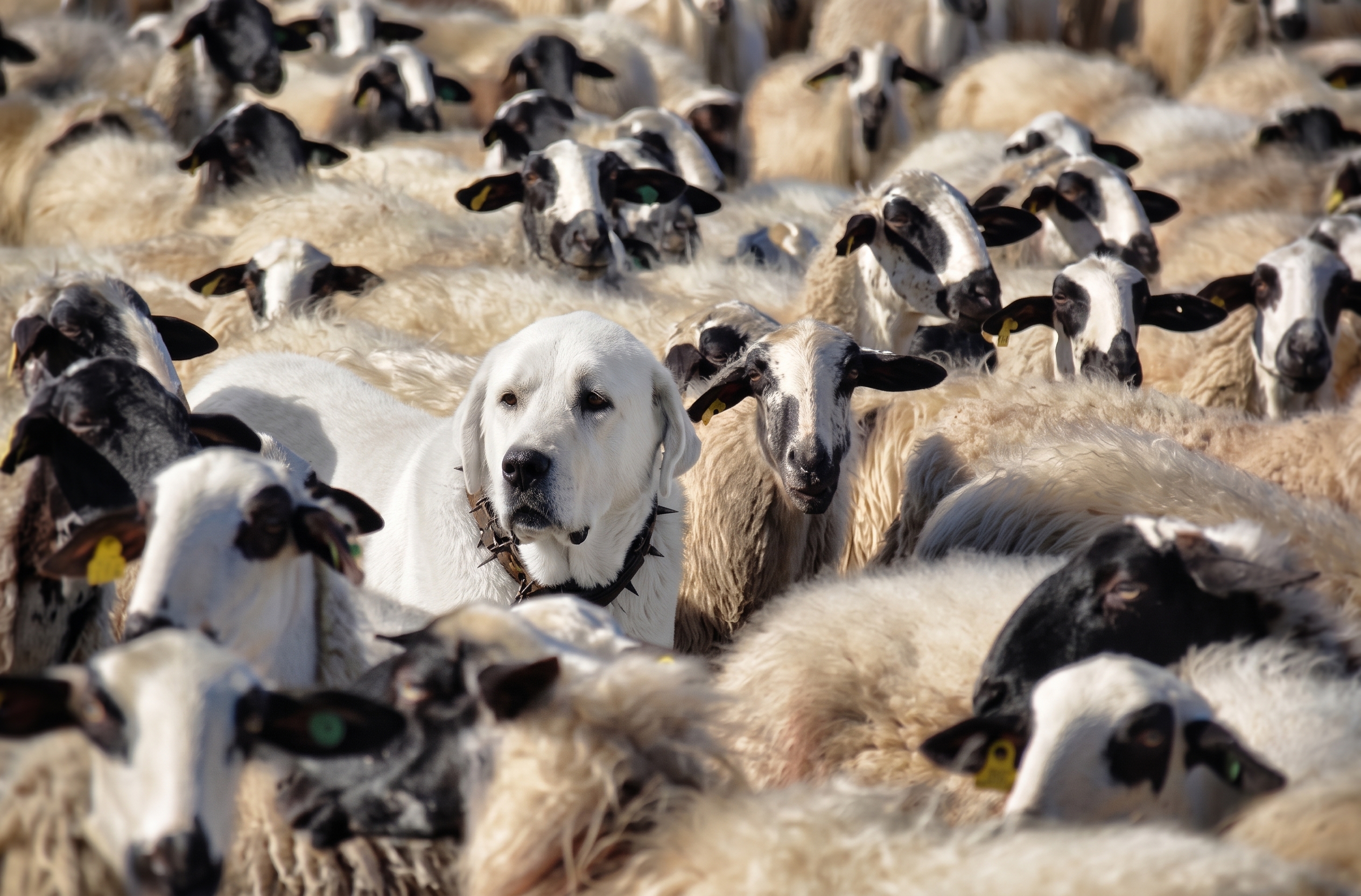
A herding dog and a guardian dog are not two versions of the same animal. They’re opposites. Herding is a controlled hunt. A Border Collie or a heeler looks at a flock and sees prey it has been bred not to finish, and the eye and the crouch and the stalk are all hunting behavior stopped one step short.
A guardian breed has had that drive bred down as far as generations of shepherds could manage. He doesn’t want to move the sheep anywhere. He wants to lie in the middle of them and be left alone.
So a guardian won’t gather your stock and a herding dog won’t protect them, and the man who buys one expecting the other is disappointed twice. It’s the most common expensive misunderstanding in this whole business.
What They Decided
They kept him.
He got corrected every time, patiently and without exception, and stayed supervised around the lambs another eight months. There were quiet stretches that winter when they wondered whether they’d gotten it right.
Sometime in his second winter he stopped being a project, and nobody could name the day it happened. He’d gone quiet in a settled way. He put himself between the flock and the tree line without being asked. When a ewe lambed he stood off and watched her do it, then lay down where he could see the pair, and that was all.
He is nine now, and in nine years they have not lost an animal to anything with four legs.
If Two Years Is More Than You Have
It often is, and there’s a straight answer for it.
Some breeders sell started dogs, already bonded to stock and past the trouble. They cost a good deal more than a puppy and they’re worth it to anybody bleeding lambs right now, because a man losing stock this spring cannot wait until the spring after next. Out on the bigger Texas and Oklahoma outfits you’ll also see a dangle chain used on a chaser, a short length with a bit of pipe on the end that swings against the legs and takes the fun out of running.
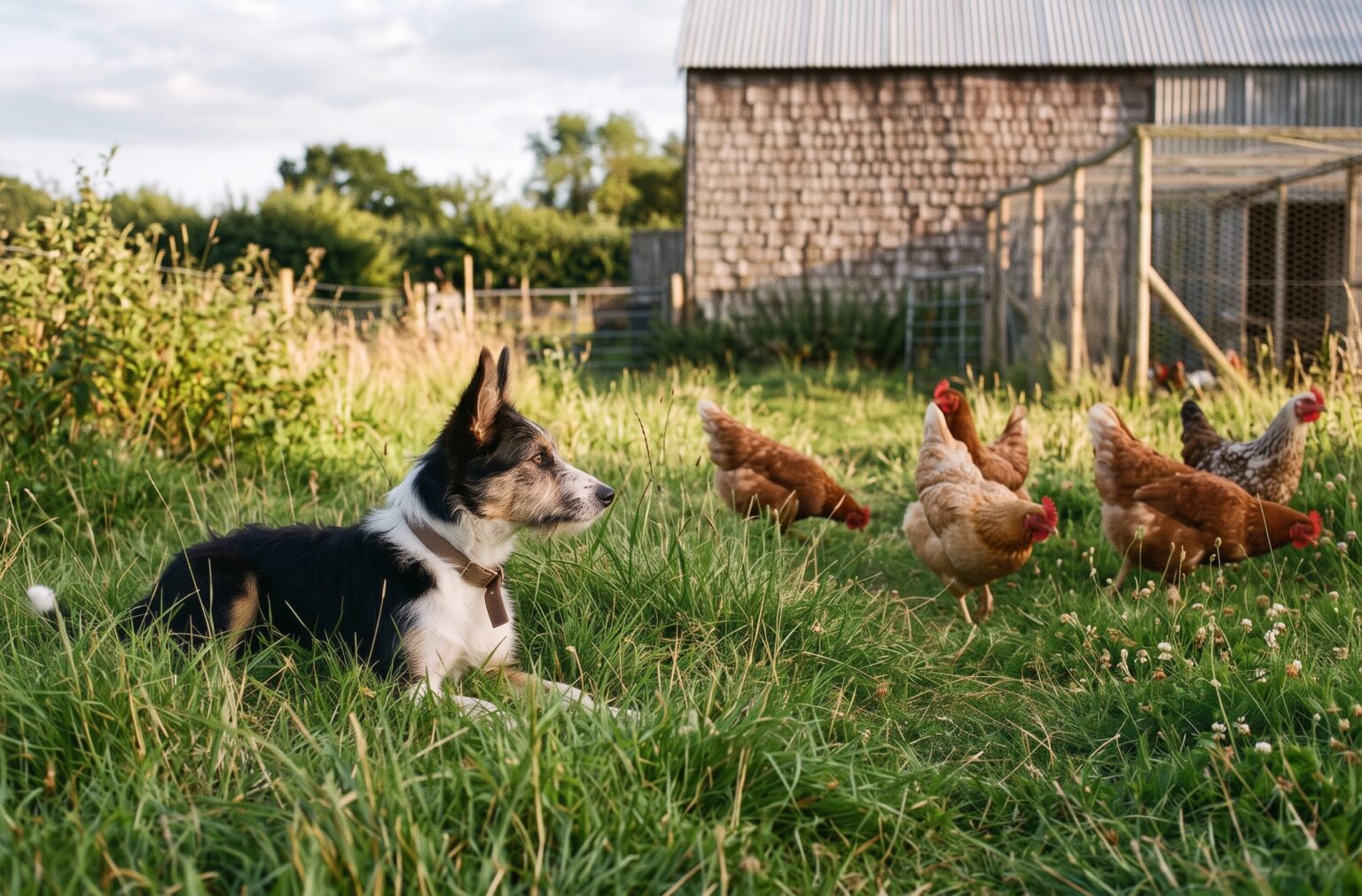
And one honest limitation. This is not a poultry solution. Mature guardians can live beautifully with chickens and some of them are marvels about it, but a bouncing nine-month-old and a hen that runs is a poor combination with no guarantee at the far end. Anyone buying a hundred-pound dog to look after a dozen laying hens ought to think it through first.
As for the family on the porch that night, they’d tell you now what the old hands would have told them then. The dog you’re about to give up on in month fourteen is the dog you’ll be glad of in year nine. He’ll be the best help on the place, and he’ll never once do a single thing you asked him to.
A few questions folks ask
How long does it take a livestock guardian dog to be reliable?
About two years. Some are trustworthy at fifteen to eighteen months, but most need the full stretch, and early maturers can still backslide.
Why is my livestock guardian dog chasing or carrying lambs?
Almost always adolescence rather than predatory behavior, showing up between eight and eighteen months. It must be corrected every time, because play rehearses hunting.
Can a herding dog also guard livestock?
No. Herding is modified hunting behavior and guarding is the opposite instinct. Neither substitutes for the other.
Should a livestock guardian dog live in the house?
No. He needs to be raised with the stock, fed and corrected among them, so he bonds to the animals instead of to people.
A note on this series
Harmony Hills Ventures publishes these posts as general information for rural landowners. They are not veterinary, agronomic, engineering, or legal advice, and no post can account for the conditions on a particular place. Land, livestock, water, and weather differ from one county to the next and from one year to the next. Before you act on anything you read here, talk it over with your veterinarian, your county extension office, or another qualified professional who can look at your own ground.