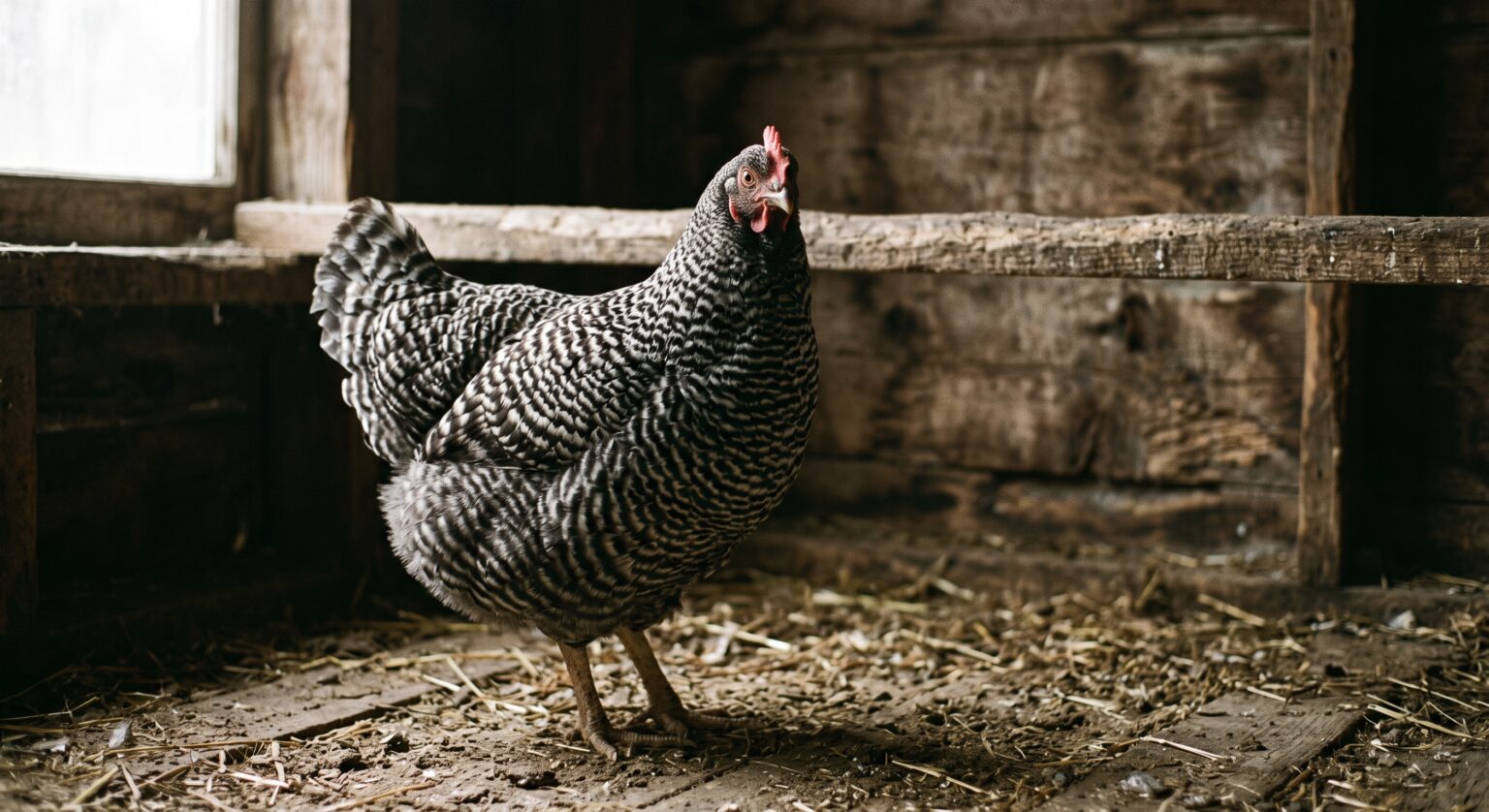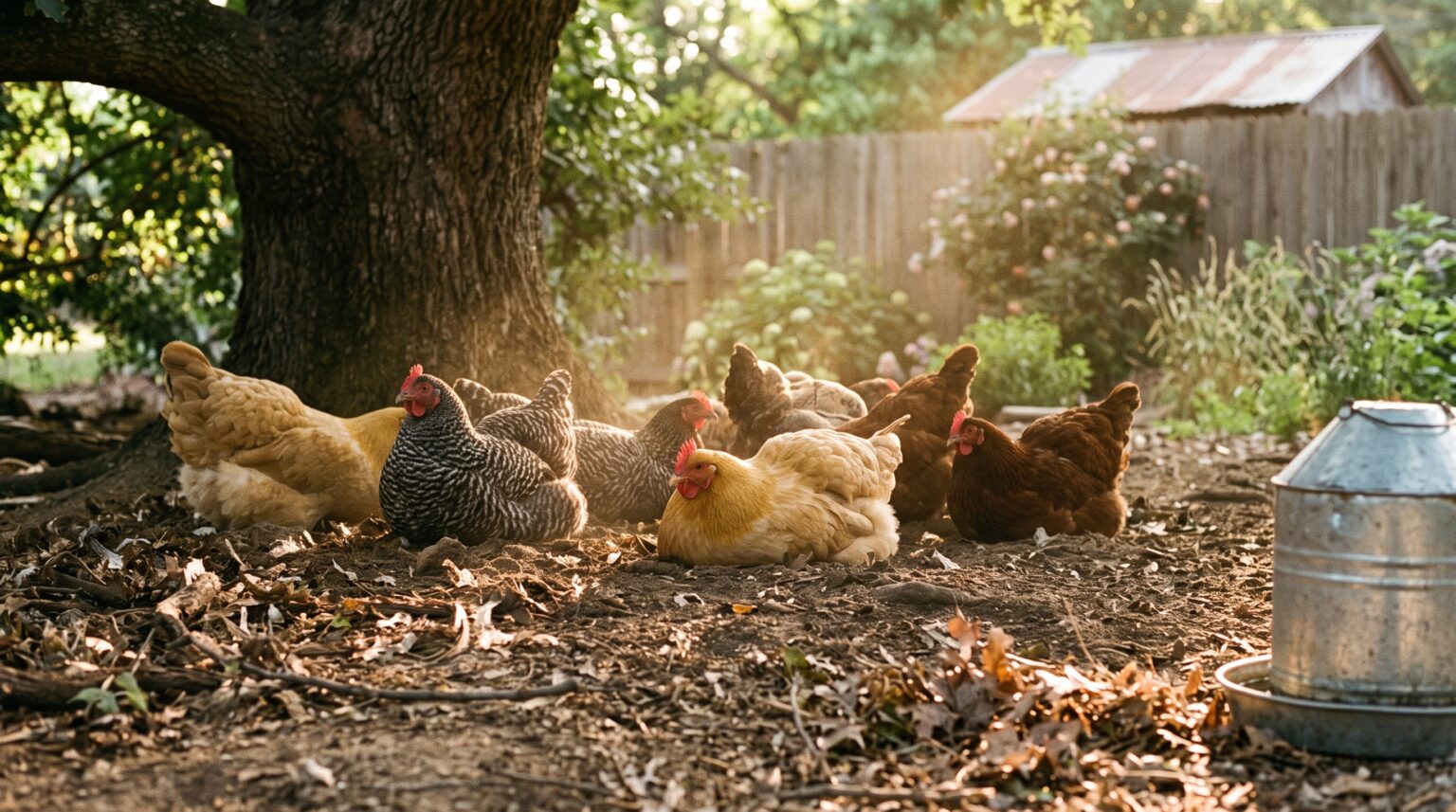
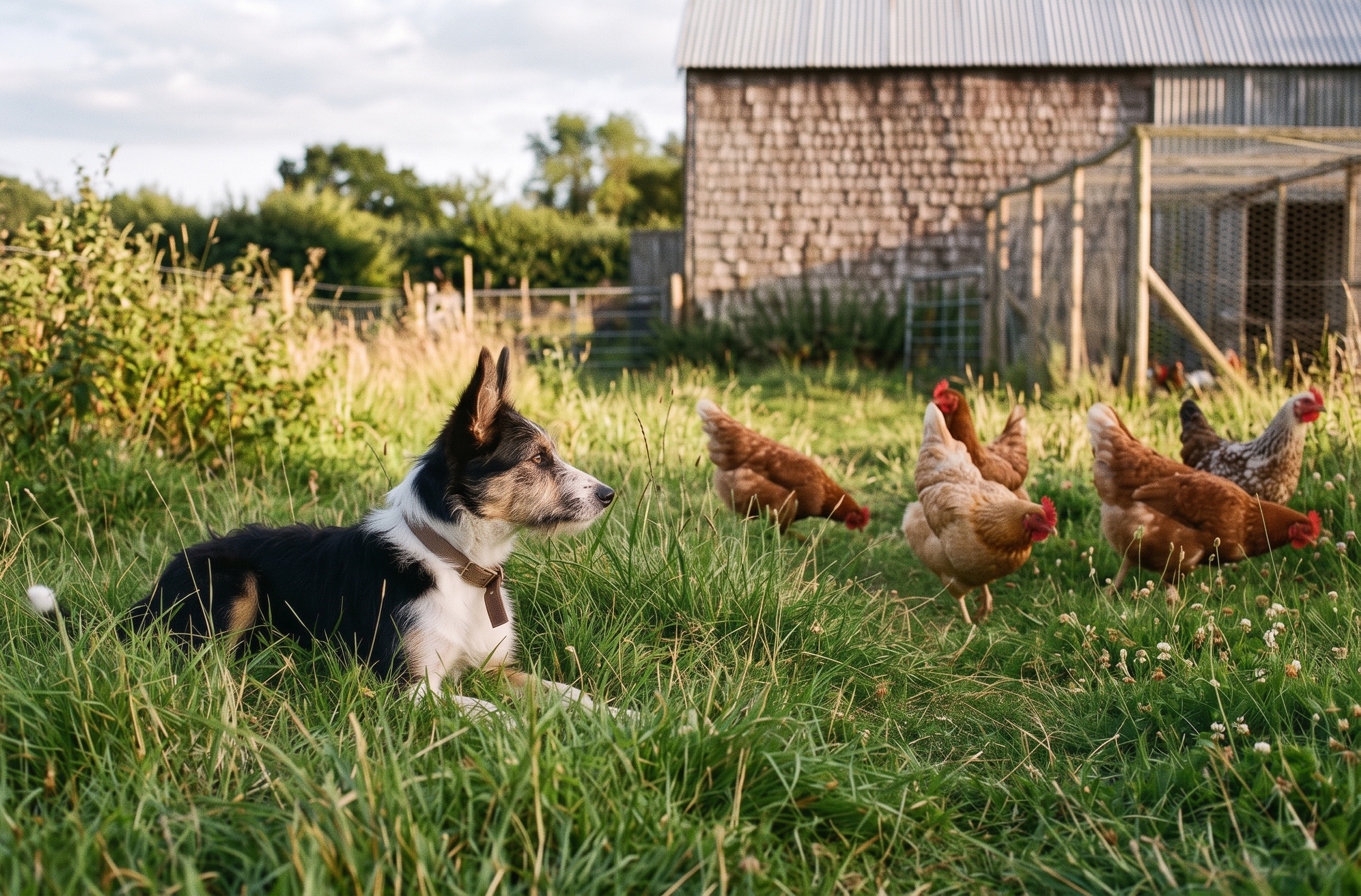
The question came up at a feed store counter, the way most good questions do. A young fellow had forty acres with the coop set close to the house, twenty hens, and a shepherd mix about a year old who had started watching the birds a little too carefully. He wanted to know how to train a dog around livestock before something happened. The man behind him in line had been running cattle dogs since before the young fellow was born, and he answered with three questions of his own.
What breed. How old. And had he caught one yet.
The First Question Was About Breeding, and It Wasn’t Idle
Every dog on the place carries the same old sequence somewhere in him. Notice the animal, fix on it, stalk, chase, grab, finish. Wolves run the whole thing start to end because they have to eat. What breeding did over a few thousand years was not remove that sequence. It edited it.
Herding breeds got the front half turned up loud and the back half turned down. The border collie who moves sheep all day is running a hunt that never gets to the end of itself, and that’s exactly what makes him useful. Terriers kept the whole thing, finish and all, because a barn full of rats was the job. Around poultry a terrier is the longest odds on the place, and no amount of good intentions changes what he was built to do.
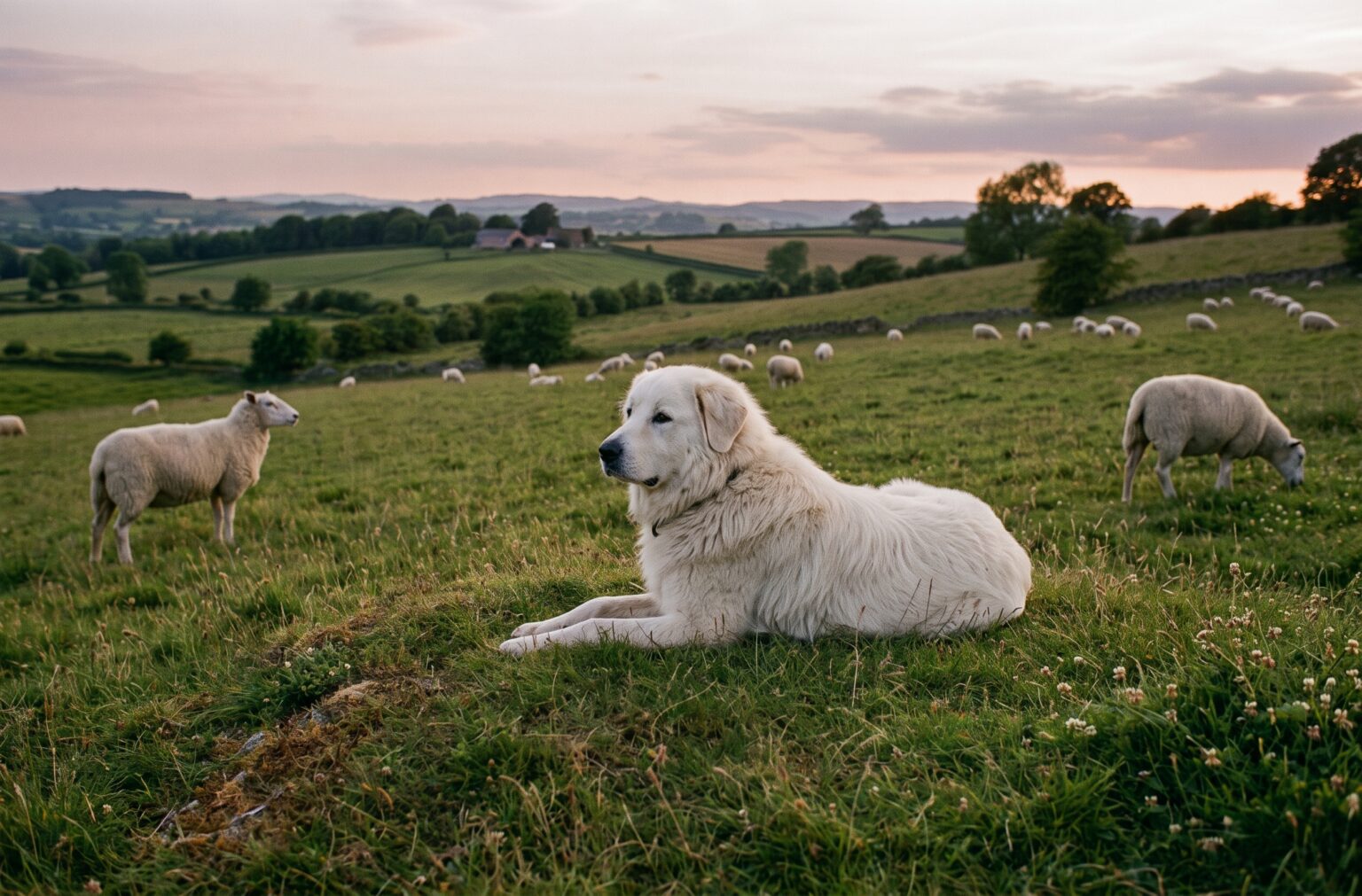
Sighthounds and the running hounds kept the chase and the grab. Retrievers got a soft mouth out of the deal, which helps, but the chase in them is still loud enough to put a hen through a fence. The guardian breeds had the prey drive bred down further than anybody else’s, which is the whole reason they can sleep in a flock.
None of that decides a dog. It tells you what you’re working against and how much of it there’ll be.
The Second Question Was About Age
The window when a pup learns what’s ordinary and what isn’t runs early, roughly the first three or four months. A dog who spent that stretch walking past chickens while nothing interesting happened has a settled idea about chickens. A dog who met his first hen at eleven months has no idea at all, and he’ll form one on his own.
The catch is that early exposure doesn’t hold by itself. Adolescence comes through and takes the edge off a lot of good early work, and a yearling who was fine at five months is a different animal with a different set of ideas. That shepherd mix was one year old and watching. That’s not a failure of raising. That’s the age.
The Third Question Was the One That Mattered
Had he caught one yet.
A dog who has run the sequence all the way to the end has been paid for it, and nothing else on the farm pays that well. He didn’t learn a bad habit. He found out what he’s for. The work after that is different work, slower and less forgiving, and a lot of families who try it end up managing the dog for life rather than trusting him.
The young fellow said no. Nothing but watching.
That’s the good answer, and it’s why the old man told him to start that week.
What the Work Actually Looks Like
It isn’t teaching a dog to like poultry. It’s teaching him that poultry is none of his business.
That means leash and distance, and starting far enough out that the dog can still hear his name. It means paying him for looking away rather than correcting him for looking. It means dull repetition, day after day, until walking past the run is the least interesting thing that happens all morning. Recall gets built away from the birds first, because a recall that only works when nothing is happening is not a recall.
And it means the dog is not loose and unsupervised with stock until he’s earned it, which takes months rather than weeks. Some dogs never earn it. A gate and a run are not an admission of defeat.
Where the coop sits decides how hard this is. A run tucked behind the barn, out of the dog’s daily path, buys you months of easy progress. A coop between the house and the gate means the two of them meet a dozen times a day whether you’re watching or not.
Room matters more than most folks expect. On a small place the dog and the birds are never far apart, and every trip to the mailbox runs him past temptation, which is either good practice or a daily gamble depending on how far along he is. On bigger ground you get the luxury of distance, and distance is the cheapest training tool there is. It also means a dog can be out of sight for twenty minutes, and twenty minutes is plenty.
Why the Chickens Are the Hard Part
Cattle walk. Sheep bunch and stand. A chicken sees a dog and comes apart in four directions at once, flapping and shrieking, and there is not a dog alive whose eye doesn’t snap to that.
Erratic movement is the trigger. It’s the closest thing on the farm to what the sequence was designed to catch, which is why a dog who is perfectly steady with the ewes can still take a hen. Steadiness around one species is not steadiness. It’s steadiness around one species.
Worth remembering too that the risk runs both directions. A cow with a new calf will put a dog through a fence, and a ram will do it for sport. The young dog learning his manners is also the young dog most likely to get hurt learning them, which is one more argument for the leash staying on longer than feels necessary.
What It Comes Down To
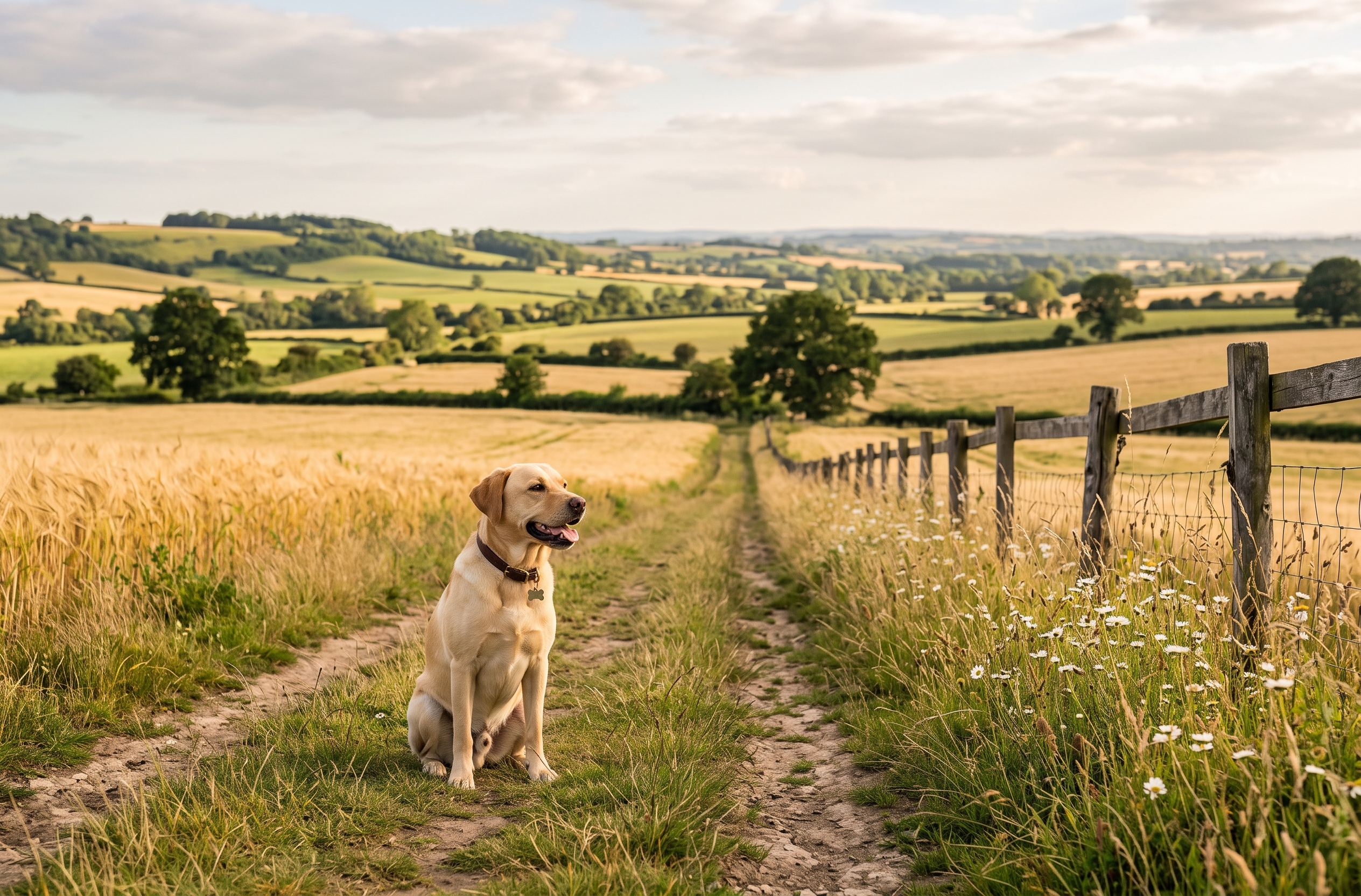
The old man finished his business at the counter and left the young fellow with one line worth keeping. Train the dog you have, not the dog on the calendar in the tack room.
Meaning look at what’s in front of you. His breeding, his age, and whether he’s already been paid once. Then do the dull work every morning for as long as it takes, and don’t hand him the run of the place until he’s given you every reason to.
The shepherd mix was a year old and watching. That’s the best moment there is to start, and it doesn’t last.
A few questions folks ask
Can you train a dog not to chase chickens?
Usually, if he hasn’t caught one yet. Distance, a leash, and paying him for ignoring the birds will get most dogs there. A dog who has killed once is a much harder case and often a lifetime management job instead.
What age should you start training a dog around livestock?
As early as you can, ideally inside the first three or four months while he’s still deciding what’s ordinary. Expect to redo a good deal of it through adolescence.
Which dog breeds are worst around poultry?
Terriers, as a rule, because the full hunting sequence was left intact on purpose. Sighthounds and running hounds are a close second. Guardian breeds are the safest bet, though a young one is still a young one.
Are livestock guardian dogs good with chickens?
A mature one often is. A nine-month-old is a poor bet with birds regardless of breeding.
A note on this series
Harmony Hills Ventures publishes these posts as general information for rural landowners. They are not veterinary, agronomic, engineering, or legal advice, and no post can account for the conditions on a particular place. Land, livestock, water, and weather differ from one county to the next and from one year to the next. Before you act on anything you read here, talk it over with your veterinarian, your county extension office, or another qualified professional who can look at your own ground.