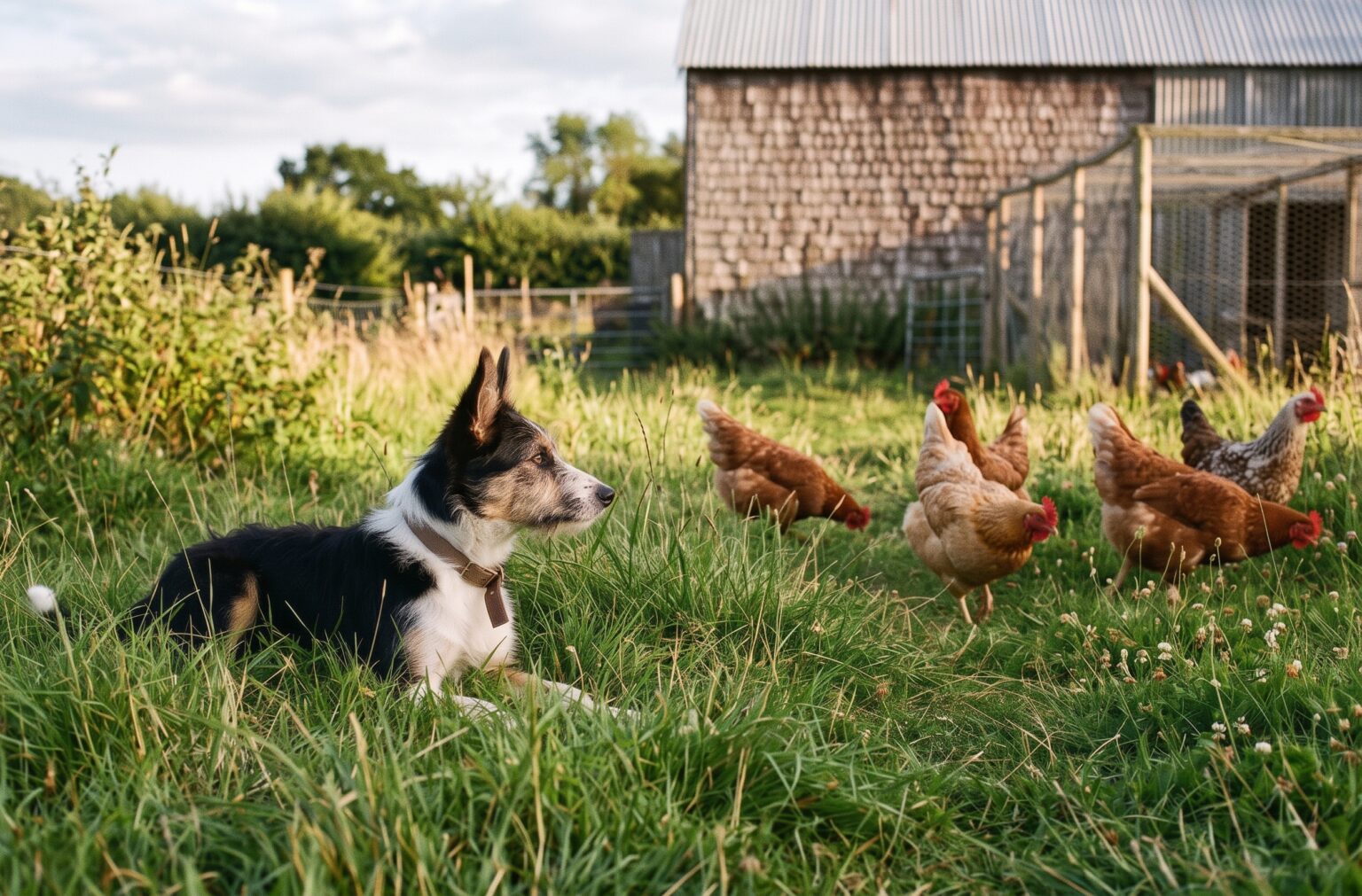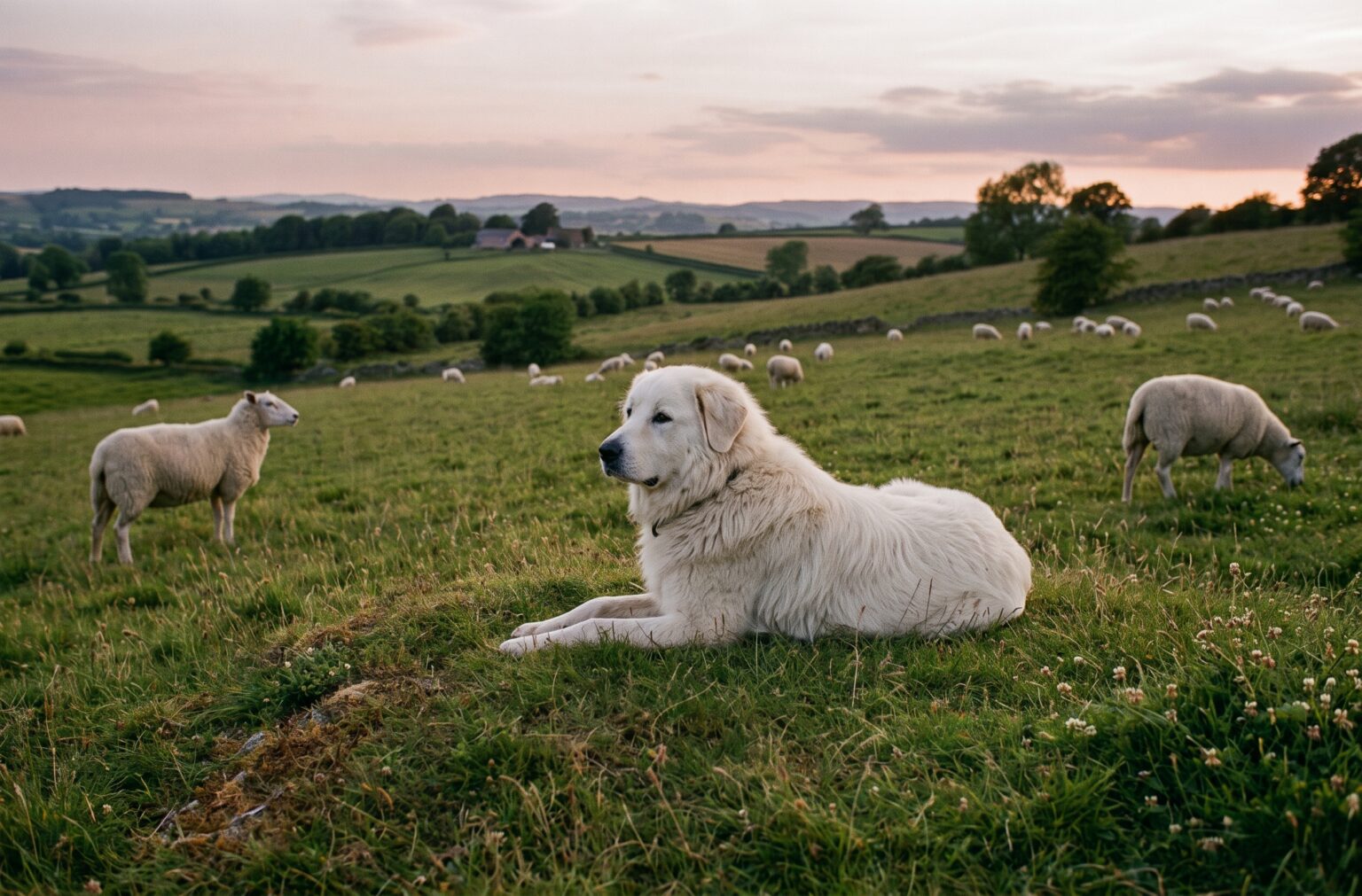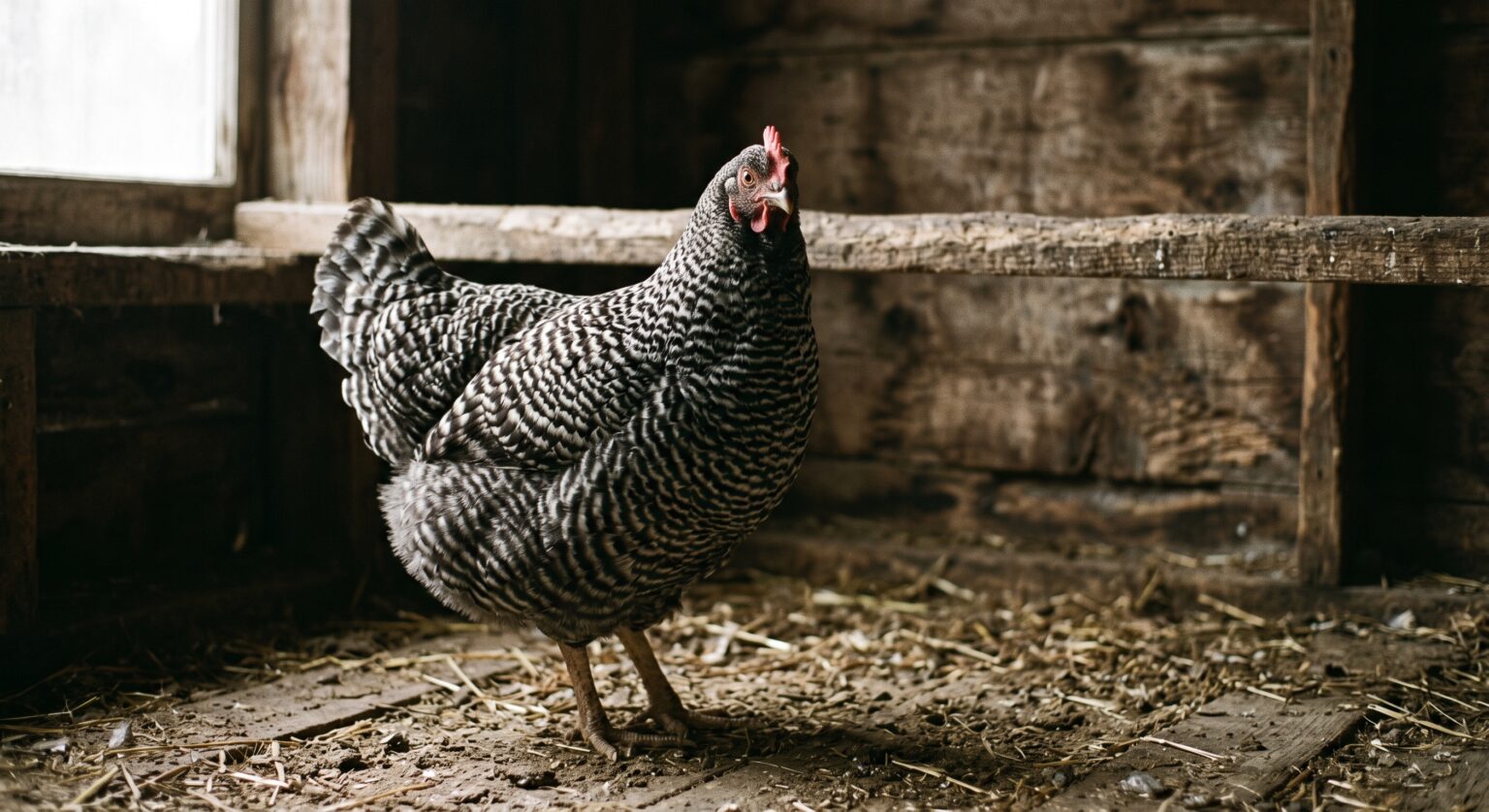
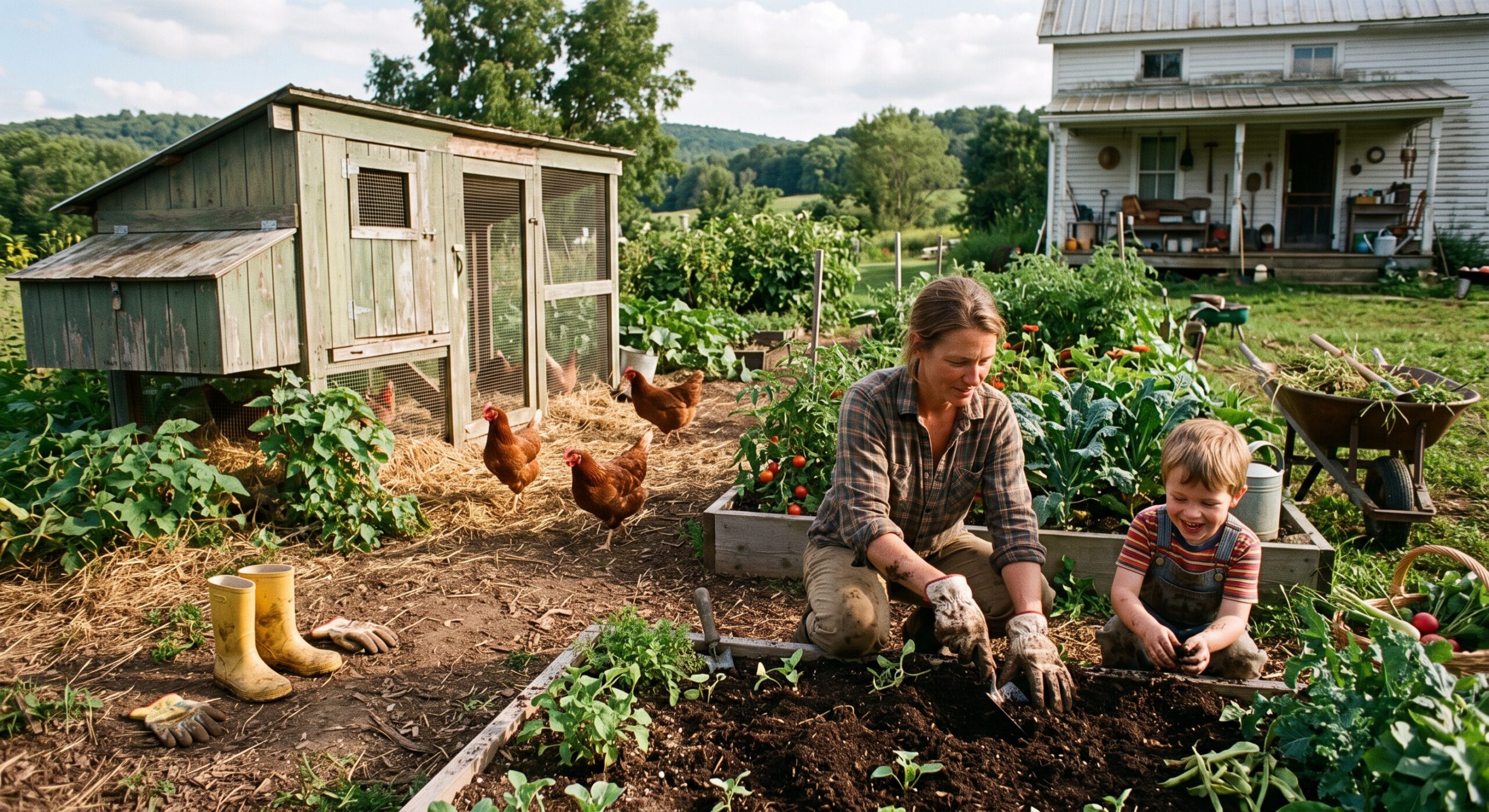
More and more families are looking at a few acres and picturing a different kind of life. Chickens in the yard. A big garden. Maybe a couple of goats. Room for the kids to run where you can actually see the stars at night. A little space between you and the neighbors. A place where weekends aren’t spent rushing from one thing to the next. It’s a dream as old as this country, and it’s more within reach than most folks think.
The good news is you don’t need a hundred acres or a fortune to start. A hobby farm is simply land worked for the love of it, not necessarily to make a living. Plenty of folks do it well on five or ten acres, and some on less. What matters isn’t having the biggest piece of ground. It’s having the right piece of ground for the life you want to build.
The first step is figuring out what you actually want that life to look like. Maybe it’s a garden big enough to fill the pantry, a few animals for the kids to care for, or simply enough open space to spend more time outside. You don’t have to know exactly where you’ll be five or ten years from now. You just want land that gives you enough room to start with what matters today while leaving some room for the plans that may come later. And that’s where choosing the land carefully makes all the difference. A pretty piece of property can look perfect at first glance, but things like access, water, soil, drainage, and usable ground can determine what you can actually do with it. You don’t need perfect land, and you certainly don’t need to have everything figured out before you buy. But taking the time to understand what the property can support can help you find a place that works not just for the dream you have today, but for the life you hope to grow into.
Land. You need enough room for what you have in mind, but not so much you can’t keep up with it. A few acres is plenty for a garden, some chickens, maybe a couple goats. Start smaller than you think. You can always grow into it, and a piece you can actually manage beats a big spread that runs you ragged. The land itself matters, too. Think about how you’ll use every part of it. Is there a good spot for a garden? Enough open ground for animals? A little shade? Room for a shed, fencing, or maybe a barn someday? You don’t need to have it all figured out on day one, but choosing land that gives you options can make the years ahead a whole lot easier.
Water. A garden and animals need water, so knowing what’s on the land, a well, a pond, a way to run lines, matters early. It’s one of the first things to sort out before you get too far along. Water isn’t just about having a source. It’s about having enough of it where you need it. Hauling water across a property gets old quickly, especially in the middle of summer. A little planning for wells, spigots, irrigation, and livestock water now can save a lot of work later.
A place to begin. You don’t have to build everything at once. Most folks start with one thing, a garden or a small coop, and add on as they learn. The land teaches you as you go, one season at a time. Give yourself permission to start small. Your first garden might not produce much, and your first few projects may not go exactly as planned. That’s okay. Every season teaches you something new, and before long, those small projects start turning into a way of life.
Patience. A hobby farm isn’t finished in a season. It’s built over years, and that’s the best part. It grows with your family, and the work becomes part of who you are. There will be setbacks, too. A crop will fail, a fence will need fixing, and some plans will take longer than expected. But that’s part of the reward. You’re not just building a farm; you’re building skills, memories, and a place that can become part of your family’s story.
There’s a reason so many people are drawn back to this. Working a piece of your own ground, watching something grow because you tended it, raising kids who know where food comes from. It’s honest work, and it feeds more than the body. It gives a family something to build together, and something to be proud of.
At Harmony Hills Ventures, this is the life we’re working to make room for. We turn rural land into places where families can plant something and stay a while. That’s the whole idea.